Surveillance technology has traditionally depended on electrical infrastructure. Cameras require power. Recording systems require power. Network transmission requires power. In locations where grid electricity is unreliable, unavailable, or prohibitively expensive, this dependency creates a surveillance gap that compromises security. Solar-powered CCTV systems address this gap, extending protection to environments previously excluded from monitoring capabilities.
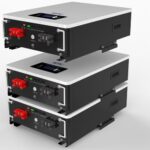
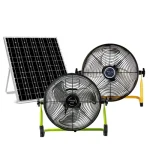
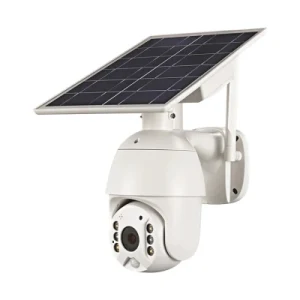
The fundamental architecture is straightforward. Solar panels convert sunlight into electrical energy, charging batteries that power cameras and recording equipment during daylight and nighttime hours. The system operates independently from the electrical grid, requiring only adequate sunlight exposure and proper battery sizing for consecutive cloudy days. Modern lithium batteries, more efficient and longer-lived than lead-acid predecessors, have made this approach increasingly practical.
Applications extend across diverse environments. Rural properties without grid access gain perimeter protection. Construction sites in early development phases monitor equipment and materials. Agricultural operations track livestock and deter theft. Remote infrastructure—cell towers, pipeline stations, weather monitoring equipment—maintains visual oversight without the cost of grid extension. The common thread is locations where traditional surveillance is desired but conventional power is impractical.
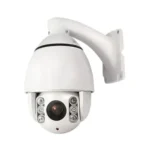
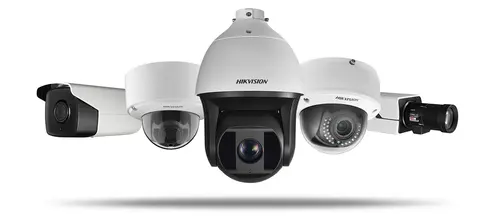
System design requires attention to specific factors. Solar panel sizing must match camera power consumption and local sunlight availability. Battery capacity must sustain operations through the longest anticipated period without sun. Camera selection favors low-power models, often with efficient infrared illumination for nighttime operation. Wireless transmission—cellular or point-to-point radio—eliminates the cabling that would otherwise compromise the power independence.
The environmental benefit is incidental but meaningful. Solar-powered surveillance generates no ongoing carbon emissions from electricity consumption. For organizations with sustainability commitments, this alignment supports broader environmental goals without requiring compromise on security objectives.
The technology has matured to the point where installation complexity no longer requires specialized expertise. Modular kits with pre-configured components simplify deployment. Remote monitoring applications allow status checking and footage access without physical site visits.
Actionable Conclusion:
Begin by calculating your site’s exact power requirements. List every camera, recording device, and transmission component you plan to install, then sum their wattage consumption. Multiply by 24 hours to determine daily energy need then consult solar irradiance maps for your specific location to determine panel sizing. Size your battery bank for at least three days of autonomy, five days if your region experiences extended cloudy seasons. Purchase components from suppliers who offer integrated kits rather than mixing brands, ensuring compatibility and simplifying warranty claims. Install panels at the angle that maximizes year-round sun exposure for your latitude, typically facing true south in the northern hemisphere. Clean panels monthly during dusty seasons; a thin layer of dirt can reduce output by 20 percent.
Finally, establish a maintenance schedule that includes battery health checks, connection tightening, and firmware updates. Solar-powered CCTV is not a set-and-forget solution, it is a self-sufficient system that rewards proactive care with years of reliable, independent security coverage.
Visit Energymall.ng today for more of our CCTV systems and energy products