The frustration of weak Wi-Fi signals is universal. The video call that drops in the bedroom. The file that refuses to upload from the garden office. The streaming buffer that interrupts an evening presentation. Two technologies promise relief: mesh Wi-Fi systems and range extenders. Their approaches differ fundamentally, and choosing incorrectly perpetuates the very problems they claim to solve.
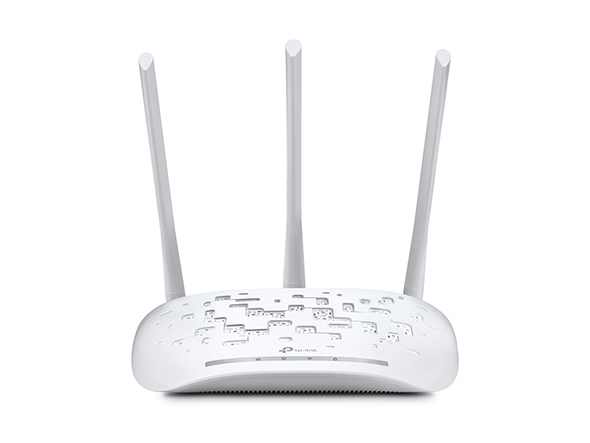
Range extenders operate by receiving an existing Wi-Fi signal, amplifying it, and rebroadcasting under a separate network name. This creates two practical problems. First, devices must manually switch between the original network and the extended network as they move, disrupting connectivity during transitions. Second, the extender consumes bandwidth to communicate with the router, effectively halving the speed available to connected devices. The result is broader coverage with degraded performance.
Mesh systems replace the single-router architecture with multiple nodes that communicate with each other and share a single network identity. Devices connect to the nearest node automatically, with seamless handoffs as users move through the space. The nodes coordinate to optimize traffic paths, reducing congestion and maintaining performance. For homes with multiple floors, thick walls, or sprawling layouts, this coordination delivers genuinely improved coverage without the speed penalties of extenders.
The cost differential has narrowed significantly. Early mesh systems commanded premium prices that justified extender compromises. Modern three-node mesh kits are available at moderate prices that rival quality extenders. For anyone experiencing persistent dead zones, the investment in mesh technology pays dividends in eliminated frustration and improved productivity.
Installation simplicity further favors mesh systems. Mobile applications guide placement, test signal strength, and identify optimal node positioning. The technical knowledge required is minimal, making professional-grade coverage accessible to non-technical users.
This weekend, walk through your home with your phone connected to Wi-Fi and note every location where video calls drop, files stall or pages load slowly. If you identify more than two dead zones, retire your range extender and purchase a three-node mesh system from a brand with strong customer support. Place the primary node in a central, elevated location—not inside a cabinet or behind furniture. Position satellite nodes at roughly equal distances, one room apart, with minimal walls between them. Use the manufacturer’s app to run signal tests and reposition until coverage is uniform.
Schedule a recurring monthly reminder to check for firmware updates; mesh systems improve continuously through software, but only if you allow updates to install. If your home exceeds 4,000 square feet or has unusual construction materials like concrete or metal studs, consider adding a fourth node or consulting a network professional for custom placement. Reliable Wi-Fi is not about buying the most expensive equipment, it is about deploying the right equipment intelligently.
To shop for your Wifi and network connectivity options, visit here