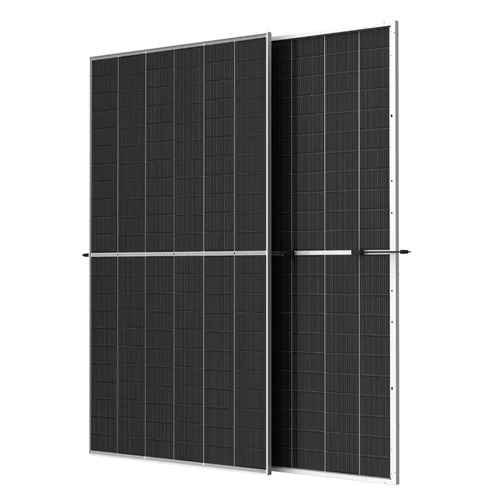
When shopping for solar panels, one of the first specifications you will notice is the wattage. Solar panels are commonly described as 400W, 450W, 550W, 580W, 600W or even higher. But what do these numbers actually mean?
Understanding solar panel wattage is important because it helps you determine how much electricity a panel can potentially produce, how many panels your solar system needs and whether the panels are suitable for your inverter.
In this guide, we explain 400W, 450W, 550W and higher-wattage solar panels and what you should consider before choosing one.
What Does Solar Panel Wattage Mean?
The wattage of a solar panel refers to its rated maximum power output under standard test conditions.
For example, a 400W solar panel is designed to produce up to approximately 400 watts under the specified test conditions. Similarly, a 550W panel has a rated maximum output of approximately 550 watts.
However, this does not mean that a 550W panel will continuously produce 550W throughout the day.
Actual electricity generation depends on factors such as sunlight intensity, temperature, shading, panel orientation, dust and other system losses.
400W Solar Panels
A 400W solar panel has a rated output of 400 watts.
For a small residential solar installation, several 400W panels can be combined to create a larger solar array.
For example:
5 × 400W = 2,000W or 2kW
Therefore, five 400W panels provide a total rated solar capacity of 2kW.
400W panels can be useful where roof space, system requirements and budget make this panel size appropriate.
450W Solar Panels
A 450W solar panel provides a higher rated output than a 400W panel.
For example:
6 × 450W = 2,700W or 2.7kW
The higher wattage means you may require fewer panels to achieve a particular total solar capacity compared with using lower-wattage panels.
However, the physical dimensions and efficiency of the panel should also be considered rather than looking at wattage alone.
550W Solar Panels
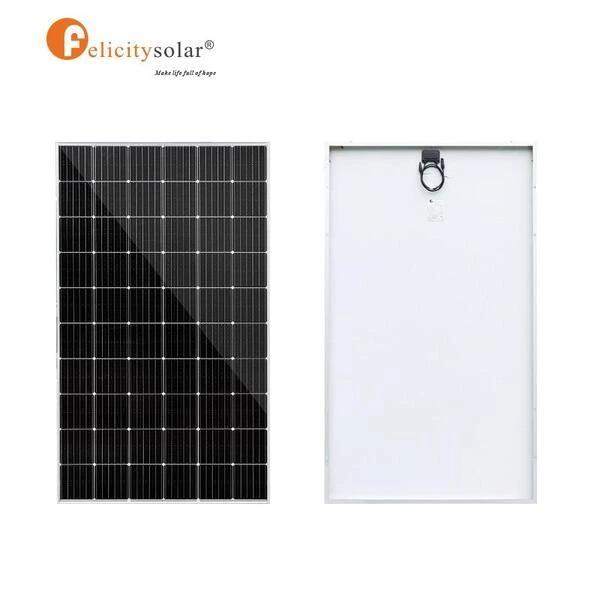
550W solar panels have become a popular choice for many larger residential and commercial solar installations.
For example:
10 × 550W = 5,500W or 5.5kW
This means ten 550W panels provide a total rated capacity of 5.5kW.
Higher-wattage panels can be useful when you want to achieve a substantial solar array while using fewer individual panels.
This can potentially reduce the number of mounting points, connections and the amount of installation space required, although the panels themselves may be physically larger.
What About 580W, 600W and Higher?
Solar technology continues to develop, and panels with ratings above 550W are increasingly available.
For example:
10 × 600W = 6,000W or 6kW
Higher-wattage panels can be particularly useful for larger residential, commercial and industrial installations where substantial solar generation is required.
However, a higher wattage does not automatically mean a panel is better.
The panel’s efficiency, dimensions, temperature coefficient, warranty, degradation rate, construction quality and electrical characteristics should also be considered.
Does a Higher-Wattage Panel Produce More Electricity?
Generally, a higher-wattage panel has greater maximum power output than a lower-wattage panel under comparable conditions.
For example, under the same test conditions, a 550W panel has a higher rated output than a 400W panel.
However, actual daily energy production depends on sunlight and other environmental and system factors.
A 550W panel operating in poor conditions may produce less electricity than expected, just as a 400W panel can perform well under favourable conditions.
How Many Panels Do You Need?
The number of panels required depends on the total solar capacity you want to install.
A simple calculation is:
Number of panels × panel wattage = total solar array capacity
For example:
– 5 × 400W = 2kW
– 6 × 450W = 2.7kW
– 8 × 550W = 4.4kW
– 10 × 550W = 5.5kW
– 10 × 600W = 6kW
However, choosing the number of panels should not be based on this calculation alone.
Your inverter’s maximum PV input voltage, maximum PV current and maximum solar charging capacity must be checked to ensure the proposed panel configuration is compatible.
400W vs 450W vs 550W: Which Is Better?
There is no single panel wattage that is best for everyone.
A 400W panel may be suitable for smaller systems or installations where panel size and budget are important.
A 450W panel offers a balance between panel output and physical size for many applications.
A 550W or higher panel can be attractive for larger systems because fewer panels may be required to achieve a higher total solar capacity.
The best choice depends on your available space, energy requirements, inverter specifications and budget.
Does Panel Wattage Affect Installation Space?
Yes.
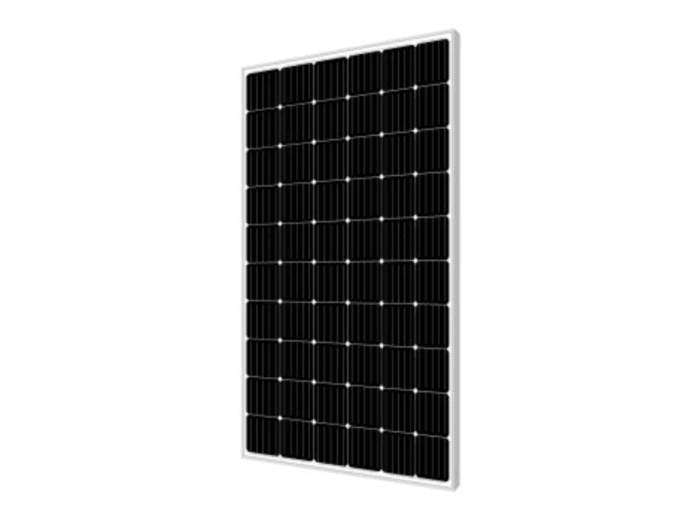
Higher-wattage panels can potentially reduce the number of panels needed to achieve a particular system capacity.
For example, achieving approximately 5kW could require around 13 panels rated at 400W, compared with around 10 panels rated at 550W.
However, higher-wattage panels are often physically larger, so the total roof area should always be checked before installation.
What Should You Check Besides Wattage?
Before buying solar panels, consider more than the wattage printed on the panel.
Important specifications include:
– Panel efficiency
– Open-circuit voltage (Voc)
– Maximum power voltage (Vmp)
– Short-circuit current (Isc)
– Maximum power current (Imp)
– Temperature coefficient
– Product warranty
– Performance warranty
– Physical dimensions
– Panel technology
– Compatibility with your inverter
These specifications help ensure that the panels will work properly with the rest of your solar system.
Solar panel wattage is an important specification, but it is not the only factor that determines panel performance.
A 400W, 450W, 550W or 600W solar panel indicates the panel’s rated maximum power output under specified test conditions. Higher-wattage panels can produce more power per panel, potentially allowing you to use fewer panels for a particular solar array size.
However, the right panel should be selected based on your electricity requirements, available installation space, inverter specifications, panel efficiency, quality and budget.
Before purchasing, have your solar system properly designed to ensure that the panels are correctly matched with the inverter, batteries and other components. This helps you get the best performance and value from your solar investment.