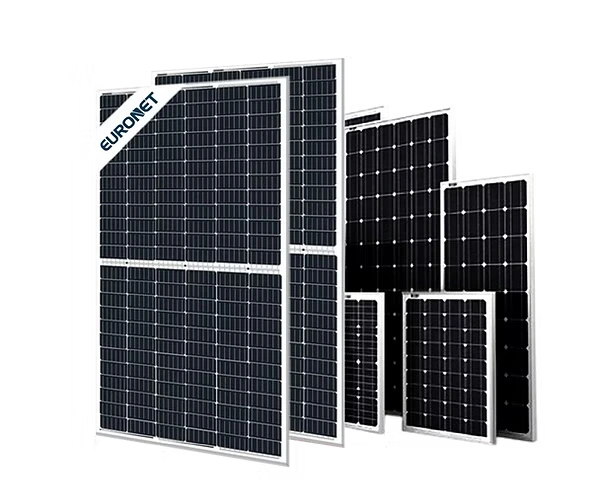
As electricity costs continue to rise and power supply becomes more unreliable day by day in Nigeria, many homes and businesses are considering solar energy as an alternative. But before switching, one important question comes to mind. Is solar energy really cheaper than NEPA (grid electricity)?
The answer is more straightforward than most people expect. Yes, solar is cheaper in the long run, but the reasons and numbers behind this conclusion are worth exploring. This guide breaks down the true cost of both solar power and NEPA to help you make an informed decision.

Understanding the Cost of NEPA in Nigeria
Electricity prices in Nigeria have surged significantly in recent years due to tariff adjustments, fuel cost inflation and the cost of maintaining the grid. Many Nigerians now pay ₦100 to ₦225 per kWh depending on their tariff band. Some businesses, especially in urban areas, pay even more making purchasing of electricity and life in general increasingly frustrating for Nigerians.
But NEPA costs go beyond the price per kWh. Hidden expenses include:
1. Billing Inconsistencies
Many households still receive estimated bills, often significantly higher than their actual consumption.
2. Cost of Backup Power
Most Nigerians rely on:
-Small petrol generators
-Larger diesel generators
The average cost of fueling a small generator ranges between ₦1,000 – ₦3,000 per day, while diesel generators can consume ₦20,000 – ₦80,000 or more daily for business operations. When combined with NEPA bills, the actual monthly energy expense becomes very high.
3. Power Instability
Frequent outages lead to:
-Spoiled food
-Damaged electronics
-Interruption of business activities
These indirect costs add up over time.
Understanding the Cost of Solar Energy in Nigeria
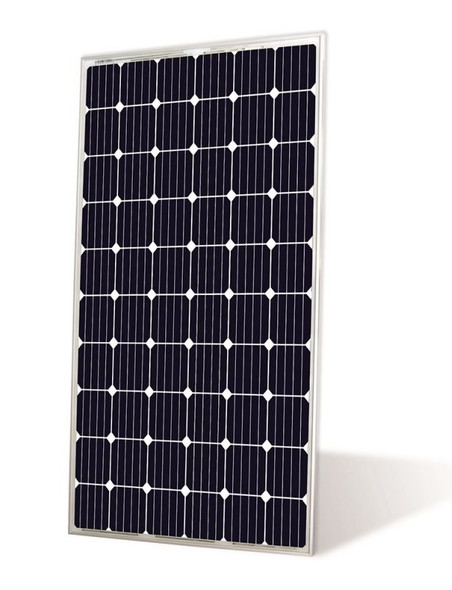
Solar energy requires a one-time upfront investment, after which energy becomes almost free for years.
A basic solar system includes:
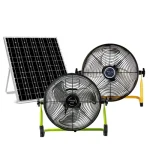
-Solar panels
-Inverter
-Charge controller
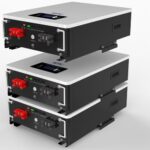
-Batteries
-Installation and wiring
Average Solar Installation Costs (2025):
1kW system: ₦500,000 – ₦1,000,000
3kW system: ₦1,500,000 – ₦3,000,000
5kW system: ₦2,500,000 – ₦4,500,000
10kW system (business): ₦5,000,000 – ₦20,000,000+
Once installed, monthly maintenance costs are very low, usually ₦0 – ₦5,000, mostly for cleaning panels or basic servicing.
Comparing NEPA vs Solar: Which Is Cheaper?
1. Monthly Cost Comparison
NEPA / Generator Combo:
Typical Nigerian household (Band B or C):
NEPA bill monthly: ₦20,000 – ₦50,000
Petrol generator: ₦15,000 – ₦40,000
Total: ₦35,000 – ₦90,000 monthly
Yearly: ₦420,000 – ₦1,080,000
Many businesses spend ₦200,000 – ₦3 million monthly on diesel + NEPA.
Solar System:
Monthly energy cost: ₦0
Maintenance: low
Solar panels last: 25–30 years
Lithium batteries last: 5–10 years
Over 10 years, the cost of solar becomes significantly cheaper than NEPA.
2. Break-even Analysis: When Does Solar Become Cheaper?
Let’s assume a household installs a 3kW solar system costing ₦2,000,000.
If the home currently spends:
₦30,000 monthly on NEPA
₦20,000 monthly on fuel
Total monthly energy cost = ₦50,000
Break-even point:
₦2,000,000 ÷ ₦50,000 = 40 months (3 years, 4 months)
After that period, all electricity becomes effectively free.
For businesses, break-even is often much faster—sometimes within 1–2 years, due to high diesel consumption.
3. Reliability and Indirect Cost Savings
Solar energy saves money in more ways than just electricity bills:
-No more fuel costs: Petrol and diesel prices in Nigeria are volatile and likely to rise.
-Protection of appliances: Solar provides clean, stable power with no voltage fluctuations.
-No generator repair costs: No more buying engine oil, spark plugs, or replacing worn-out alternators.
-Reduced food spoilage and business downtime: Consistent power means fewer losses.
4. Long-Term Value
Solar power systems can last for decades:
Solar panels: 25–30 years
Inverters: 7–10 years
Lithium batteries: 5–12 years
NEPA, on the other hand, will continue increasing tariffs. When viewed over 10–20 years, solar energy is drastically cheaper than paying recurring electricity and generator costs.
So, Is Solar Energy Really Cheaper in Nigeria?
Short answer: Yes.
Long answer: It becomes dramatically cheaper over time.
While solar requires an upfront investment, the long-term savings far outweigh NEPA and generator costs. With Nigeria’s rising electricity tariffs and fuel prices, solar energy is not only cheaper but also more reliable and environmentally friendly.
GO SOLAR WITH ENERGYMALL TODAY!!
To see more of our available solar panels, click here