Choosing the right battery for your inverter system is one of the most important decisions when setting up a reliable backup power solution. Many users focus only on inverter capacity and ignore battery compatibility, only to face unexpected expenses later. The wrong battery choice can reduce performance, damage equipment and ultimately cost thousands in repairs or replacements. Understanding the risks and making informed decisions can save both money and stress.
One of the biggest issues with selecting the wrong battery is poor compatibility with the inverter’s voltage and charging requirements. Inverters are designed to operate within specific voltage ranges and charging profiles. Using an incompatible battery may cause undercharging or overcharging. Undercharged batteries lose capacity quickly and fail to provide sufficient backup time. Overcharged batteries on the other hand, can overheat or even become hazardous. Over time, this mismatch can permanently damage both the battery and inverter.
Another costly mistake is choosing a battery with insufficient capacity for your power load. Many homeowners underestimate their energy usage and buy smaller batteries to save money upfront. Unfortunately, undersized batteries discharge too quickly and are forced into deep cycles more frequently than recommended. This excessive strain shortens battery lifespan dramatically. Instead of lasting three to five years, a poorly sized battery might fail within a year, leading to repeated replacement costs.
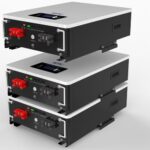
Battery chemistry also plays a critical role. Some users combine inverters with battery types that are not optimized for solar or deep cycling, such as automotive batteries designed only for short bursts of power. These batteries degrade rapidly when used for continuous inverter backup. Deep cycle batteries or lithium batteries are built to handle repeated charging and discharging, making them more suitable for inverter systems. Choosing the wrong chemistry may seem cheaper initially but often results in early failure and additional expenses.
Inadequate charging efficiency is another hidden cost. Batteries with low-quality materials or poor internal design require more energy to recharge fully. This increases electricity consumption and reduces the overall efficiency of the backup system. Over time, higher energy bills can significantly impact operational costs, especially for businesses relying on consistent backup power.
Safety risks are also a serious concern. Incompatible or low-quality batteries can leak, overheat, or produce excessive gas during charging. These issues increase the risk of electrical fires, acid spills, and damage to surrounding equipment. Repairing damage caused by battery failure can be far more expensive than investing in the right battery from the beginning.
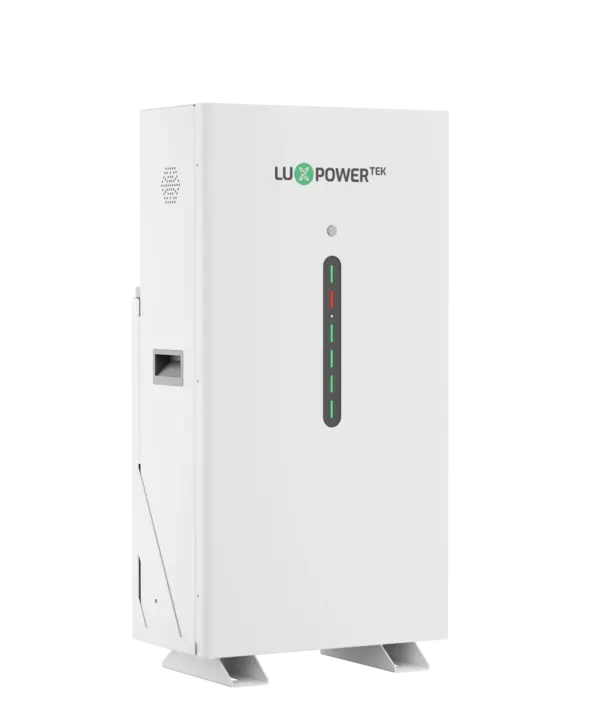
Maintenance expenses further highlight the importance of proper battery selection. Some batteries require frequent water topping, cleaning, and monitoring. While maintenance is normal, using the wrong type for your usage pattern increases wear and tear, leading to more frequent servicing or premature replacement. Lithium batteries, for example, often provide lower maintenance and longer lifespan, making them cost-effective over time despite higher initial costs.
To avoid these problems, always consider the inverter’s specifications, your daily power requirements, and environmental conditions before choosing a battery. Consult professionals, calculate your load accurately, and prioritize reputable battery brands designed for inverter and solar applications.
In conclusion, selecting the wrong battery for your inverter may seem like a small mistake, but it can result in costly repairs, reduced performance, safety hazards, and repeated replacements. Investing in the right battery from the start ensures reliable backup power, longer system life, and long-term financial savings.
To see more of our available inverters and solar batteries, visit Energymall.ng