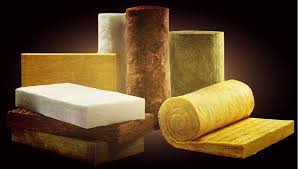
Insulation plays a vital role in modern construction by improving energy efficiency, enhancing comfort, and protecting building structures. Among the different insulation materials available, Rockwool rolls and insulation boards have become highly recommended options for both residential and commercial projects.
Made from volcanic rock and recycled materials, Rockwool offers a unique combination of durability, thermal performance, and safety that sets it apart from alternatives like fiberglass, polystyrene, or polyurethane foam.
Below are the reasons why Rockwool insulation products stand out as an ideal choice for buildings.
- Superior Thermal Performance
One of the main functions of insulation is to regulate indoor temperatures by reducing heat transfer between the inside and outside of a building. Rockwool’s dense fiber structure provides excellent thermal resistance (high R-values), helping buildings stay warm in winter and cool in summer.
This efficiency means less dependence on heating, ventilation, and air conditioning (HVAC) systems, which directly translates into lower energy bills. In regions with extreme climates, the savings can be especially significant. Over time, the initial cost of Rockwool insulation is offset by reduced utility expenses.
- Outstanding Fire Resistance
Safety is a critical concern in construction, and Rockwool provides one of the highest levels of fire protection among insulation materials. Since it is produced from stone and basalt, Rockwool can withstand temperatures of up to 1,000°C without melting, burning, or releasing harmful smoke.
This fire-resistant quality makes Rockwool rolls and boards ideal for use in walls, floors, ceilings, and roof structures, especially in high-rise buildings, hospitals, schools, and industrial facilities where safety standards are strict. By containing the spread of fire, Rockwool insulation helps protect lives and property.
- Effective Acoustic Performance
In addition to thermal efficiency, Rockwool is an excellent sound insulator. The fibrous, open structure of the material absorbs airborne sound waves and reduces impact noise. This makes it highly effective for minimizing noise transmission between rooms and from external sources such as traffic or construction activities.
For residential buildings, this translates into a quieter and more peaceful home environment. In commercial or institutional buildings—like offices, hospitals, and schools—acoustic comfort enhances productivity, privacy, and overall well-being.
- Moisture Resistance and Long-Term Durability
Moisture is a common problem that can weaken insulation materials, cause mold growth, and compromise building integrity. Rockwool insulation is naturally water-repellent while still allowing vapor to pass through, preventing condensation buildup within walls or roofs.
Because it resists moisture damage, Rockwool maintains its insulating properties over time. It does not shrink, sag, or degrade, meaning that once installed, it can last for decades with minimal maintenance. This durability makes it a sustainable and cost-effective option for long-term building performance.
- Sustainability and Eco-Friendliness
Sustainability is now a priority in construction, and Rockwool insulation aligns perfectly with this goal. It is manufactured using natural volcanic rock and often contains recycled content. Additionally, Rockwool is fully recyclable at the end of its lifecycle.
By reducing energy consumption in buildings, Rockwool helps lower carbon emissions, supporting global efforts to combat climate change. For environmentally conscious builders, developers, and homeowners, Rockwool offers a solution that is both high-performing and eco-friendly.
- Versatility of Application
Rockwool insulation comes in different forms, mainly rolls and boards, each suited for various applications:
Rockwool Rolls: Flexible and easy to handle, rolls are commonly used for lofts, roof spaces, cavity walls, and internal partitions. Their flexibility makes them simple to cut and fit around irregular shapes and tight spaces.
Rockwool Boards: More rigid and dense, boards are ideal for floors, external walls, façades, and flat roof systems where structural integrity and load-bearing properties are required.
This versatility means that Rockwool can be used throughout an entire building—from foundations to roof—providing a continuous insulation layer for maximum efficiency.
- Cost-Effectiveness Over Time
While the upfront cost of Rockwool insulation may be slightly higher compared to some alternatives, the long-term benefits far outweigh the initial investment. Lower energy bills, reduced maintenance, enhanced safety, and durability mean that Rockwool provides excellent value for money across the life span of a building.
For large-scale commercial projects, the return on investment is even more significant due to the higher energy savings and safety benefits.
Rockwool rolls and insulation boards are more than just building materials—they are comprehensive solutions for energy efficiency, fire safety, acoustic comfort, and sustainability. Their superior performance and durability make them one of the most reliable insulation options available for modern construction.
Whether you are a homeowner looking to cut energy costs, a contractor aiming to meet strict building codes, or a developer focusing on sustainable construction, Rockwool insulation delivers long-lasting benefits. By combining thermal efficiency with fire resistance, soundproofing, and environmental responsibility, Rockwool stands as an ideal choice for building insulation today and in the future.