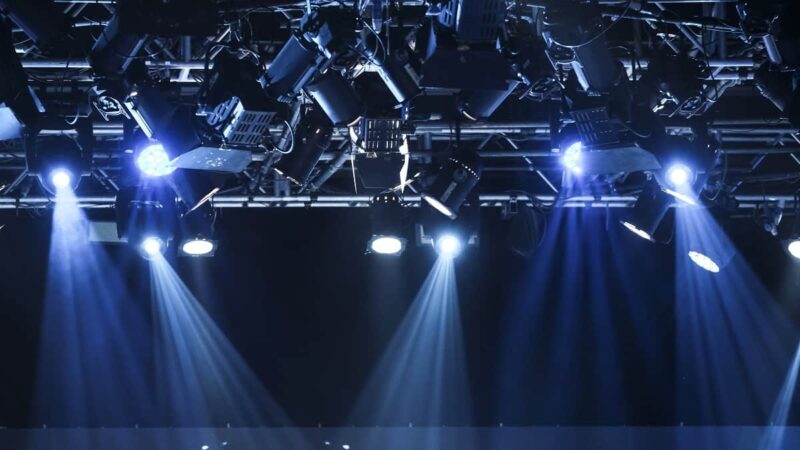
Lighting durability is one of the most important factors for homeowners, businesses, and facility managers. Frequent bulb replacement increases maintenance costs and causes inconvenience. This is one major reason LED floodlights have become the preferred lighting solution across many industries.
Traditional lighting technologies such as halogen and metal-halide lamps produce light by heating filaments or igniting gases. These processes generate excessive heat, which gradually weakens internal components and reduces lifespan. In contrast, LED floodlights produce light through semiconductor technology, allowing them to operate efficiently with minimal heat generation.
Reduced heat output is a key reason LEDs last longer. Excess heat often damages wiring, casings, and internal circuits in traditional lighting systems. LED floodlights are designed with heat sinks that dissipate heat effectively, maintaining stable performance even during long operating hours.
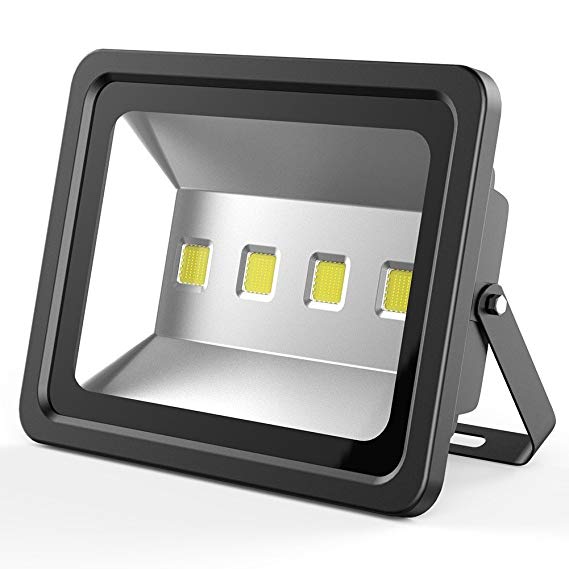
Another factor contributing to LED longevity is energy efficiency. LEDs consume significantly less power to produce the same brightness level as older lighting technologies. Lower power consumption reduces electrical stress on components, further extending lifespan.
LED floodlights also offer instant brightness without warm-up time. Traditional lamps may take several minutes to reach full brightness, and frequent switching can shorten their lifespan. LEDs handle on-off cycles more efficiently, making them ideal for motion-sensor security lighting and automated systems.
EnergyMall provides LED floodlights engineered for durability, consistent brightness, and reduced maintenance needs. Many models are designed with weatherproof casings, surge protection features, and high-quality drivers that enhance reliability.
While LED floodlights may have slightly higher initial purchase costs compared to traditional lights, their long lifespan and lower energy consumption make them more cost-effective in the long run. By investing in LED lighting technology, users enjoy improved performance, reduced replacement frequency, and better overall lighting value.