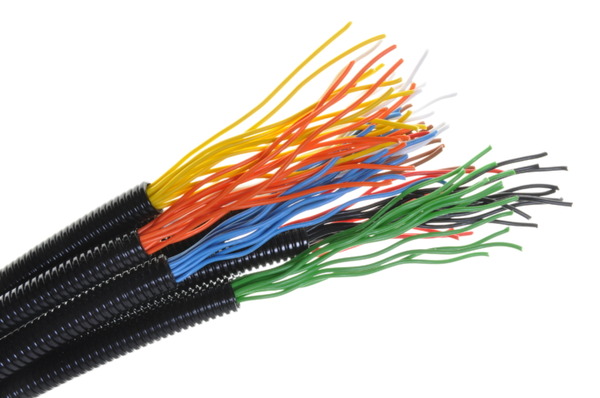
“Why is this copper cable so expensive? It’s just wire.”
It is a fair question.
Two cables can look almost identical from the outside. They can have the same length and similar insulation. Yet the copper option can cost considerably more than an aluminium option.
So what exactly are you paying for?
Start with the conductor.
The metal inside an electrical cable is responsible for carrying electrical current. Copper has excellent electrical conductivity.
Aluminium also conducts electricity, but its conductivity is lower than copper’s.
This means that, for the same electrical duty, an aluminium conductor may need to be larger than a copper conductor.
That difference matters when engineers design electrical installations.
But copper isn’t expensive simply because it is “better.”
The cost of the raw material is an important factor.
Copper is a valuable industrial metal used across electrical, construction, electronics, telecommunications, and manufacturing industries. Its price can therefore have a significant effect on cable prices.
Aluminium is generally lighter and is often less expensive per unit of weight.
So when someone asks:
“Why should I pay more for copper?”
The better question is:
“Which conductor is appropriate for my installation?”
Copper has some practical advantages.
Copper conductors are generally:
Highly conductive.
Easier to work with in many installations.
More compact for a given electrical duty.
Widely used in residential and commercial wiring.
Copper is also relatively ductile, meaning it can be formed and handled during installation without the same level of concern about conductor size that may arise with larger aluminium conductors.
But that doesn’t mean aluminium has no place.
So should you always buy copper?
No.
Cable selection depends on several factors, including:
Required current capacity.
Cable size.
Installation method.
Cable length.
Temperature.
Voltage drop.
Environment.
Termination requirements.
Project budget.
Choosing a cable simply because it is cheaper or because it is copper, is not enough.
Here’s the mistake to avoid.
Don’t compare cables based only on price per metre.
A cheaper cable may require a different conductor size or installation arrangement to perform the required electrical duty.
The right comparison is based on the complete installation requirement.
Looking for copper cable?
Energymall supplies a range of copper electrical cables for different applications and project requirements.
Speak with a qualified electrician about the correct cable size and type for your installation, then contact EnergyMall for supply.
The cheapest cable isn’t always the cheapest solution.
Question for you:
If two cables can do the same job, would you choose the cheaper one or the more expensive one?