Have you ever touched an electrical cable after using an electric kettle, pressing iron, or air conditioner and thought,
“Why is this cable so hot?”
Most people assume it’s normal. Others simply ignore it.
But here’s the truth: a warm cable and a hot cable are not the same thing.
A cable carrying electricity may become slightly warm during normal operation. That’s expected. However, if it becomes too hot to touch, gives off a burning smell, or causes the insulation to soften or change colour, it’s a warning sign that should never be ignored.
Think of an electrical cable like a water pipe.
A small pipe can comfortably carry water to a bathroom sink. But if you try forcing enough water through it to supply an entire apartment block, pressure builds up and problems begin.
Electrical cables work in much the same way.
Every cable has a current-carrying capacity, often called its ampacity.
This is the maximum amount of electrical current it can safely carry. Once that limit is exceeded, the cable begins to generate excess heat.
One of the most common causes is using a cable that is simply too small for the job. For example, a cable suitable for a lighting circuit should not be expected to power a large air conditioner, electric cooker, or industrial machine.
Loose electrical connections are another hidden culprit. Even the correct cable can overheat if the terminals are poorly tightened. The loose connection creates resistance, and resistance produces heat.
Then there’s overloading. We’ve all seen it a single extension box powering a television, freezer, microwave, electric kettle, and phone chargers at the same time. While it may seem convenient, it places unnecessary stress on both the extension and the cables supplying it.
Heat is the enemy of cable insulation. Over time, repeated overheating weakens the protective covering, increasing the likelihood of electrical faults, short circuits, and even fire.
So, what should you do?
Start by paying attention to your cables. If a cable consistently becomes unusually hot, don’t ignore it. Avoid covering cables with carpets or furniture, as trapped heat has nowhere to escape. More importantly, have the installation inspected by a qualified electrician to ensure the cable size matches the electrical load.
Electrical safety isn’t about guessing, it’s about choosing the right materials from the start.
Did You Know?
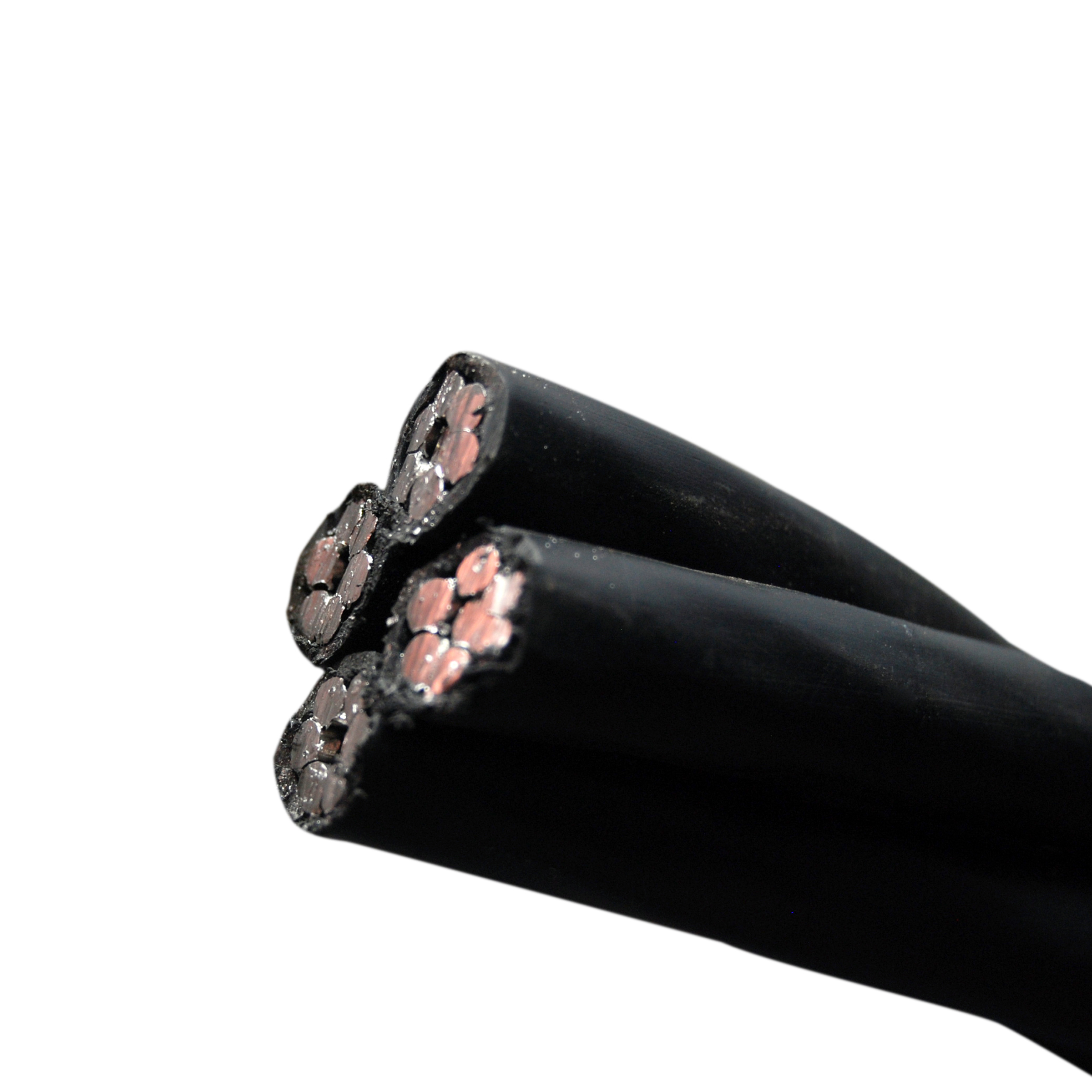
A cable doesn’t have to melt before it becomes dangerous. Continuous overheating can slowly damage the insulation long before any visible signs appear.
EnergyMall Recommends
For safe and reliable electrical installations, EnergyMall supplies a wide range of quality products, including:
-Single Core Conduit Wiring Cables (1mm–630mm)
-Steel Armoured Cables
-PVC Conduit Pipes
-Distribution Boards
-Schneider Circuit Breakers
Choosing the right cable size for your installation helps improve safety, efficiency, and long-term performance.
Need Help Choosing the Right Cable?
Whether you’re wiring a new home, upgrading an office, or working on an industrial project, Energymall can help you select the right cable for the job.
Send us a message on any of our social media platforms for expert guidance and supply.