You walk into one building and see:
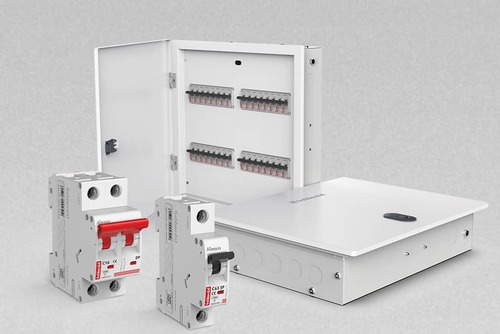
Single-phase distribution board.
Then you visit another site and see:
Three-phase distribution board.
And suddenly you ask:
“What’s the difference?”
It isn’t simply that one is for “small buildings” and the other is for “big buildings.”
The distinction relates to how electrical power is supplied and distributed.
Let’s simplify it.
A single-phase system uses one alternating-current phase for the supply.
It is commonly found in many residential installations and smaller loads.
A three-phase system uses three alternating-current phases that are offset from one another.
This arrangement can provide advantages for distributing larger or more balanced loads and is widely used in commercial and industrial installations.
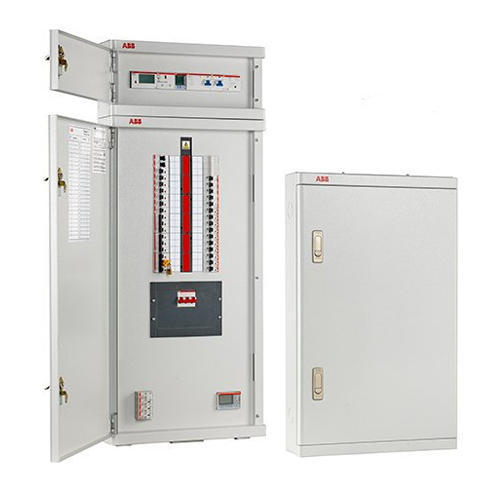
Why does three-phase matter?
Imagine a building with significant electrical demand.
Large air-conditioning systems.
Motors.
Industrial equipment.
Multiple commercial loads.
A three-phase supply can be appropriate for installations where the electrical design calls for it.
But that doesn’t mean:
“Three-phase is automatically better.”
A residential building with a suitable single-phase supply doesn’t need to become three-phase simply because three-phase sounds more powerful.
The electrical supply and distribution system need to match the actual requirements.
What does the distribution board do?
The distribution board houses and organises protective devices and circuits appropriate to the electrical system.
That’s why you’ll see different boards designed for single-phase and three-phase applications.
For example, EnergyMall stocks products such as:
D8 Single-Phase Distribution Boards
and
D8 Three-Phase Distribution Boards.
⚠️ Don’t choose based on appearance.
A three-phase board isn’t automatically the right choice because it has more terminals or looks more sophisticated.
Your electrician needs to consider:
Incoming supply.
Expected loads.
Number of circuits.
Equipment requirements.
Protective devices.
Cable arrangement.
Applicable electrical requirements.
Think about the building.
A small residential property and a large commercial facility can have completely different electrical requirements.
The distribution system should reflect those requirements.
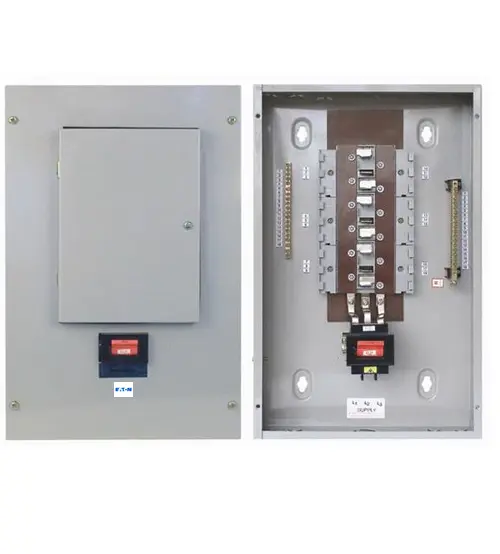
Energymall supplies distribution boards from brands including Schneider, ABB, Indoasian, A & BT, Ebil UK, UK Bolton, C DIVINE, and HAVELS Europe, depending on product availability.
Contact EnergyMall for product information and supply.
Single-phase isn’t “weak.” Three-phase isn’t automatically “better.” The right system is the one designed for the building’s electrical requirements.