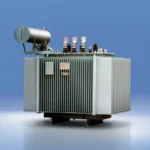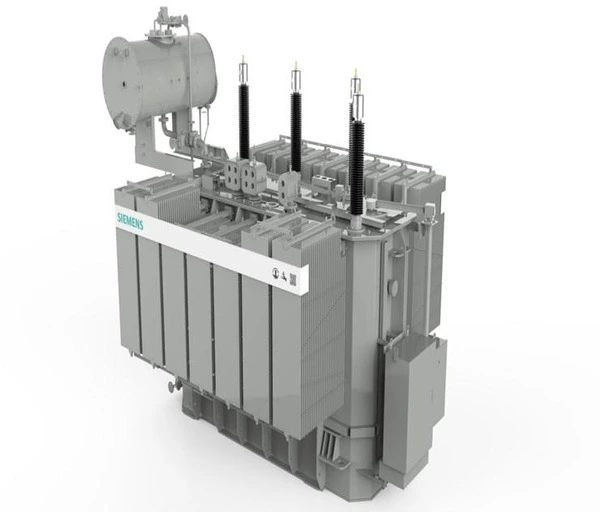
Transformers are built to last for many years, but they are not designed to handle unlimited growth.
As communities, businesses, and facilities expand, there often comes a point when an existing transformer can no longer meet demand efficiently.
Knowing when to upgrade a transformer can help prevent outages, equipment damage, and costly operational disruptions.
One of the clearest signs that an upgrade may be necessary is frequent overloading.
If a transformer regularly operates near or beyond its rated capacity, excessive heat and equipment stress can occur. Over time, this reduces reliability and shortens service life.
Voltage problems are another warning sign.
Residents may notice:
- Dim lights
- Slow appliance performance
- Air conditioners struggling to start
- Frequent voltage fluctuations
These symptoms often indicate that demand is approaching or exceeding available transformer capacity.
Community growth is another important factor.
A transformer originally installed for a small neighborhood may now be serving:
- Additional homes
- New shops
- Office buildings
- Water pumping systems
- Commercial activities
As demand increases, the transformer must work harder to keep up.
Frequent maintenance requirements can also suggest that an upgrade should be considered.
While maintenance is normal, repeated failures and recurring repairs may indicate that the transformer is no longer suitable for current demand levels.
Upgrading a transformer offers several benefits:
- Improved reliability
- Better voltage stability
- Increased capacity
- Reduced outage risk
- Support for future growth
Some communities delay upgrades because they focus only on current needs.
However, effective planning considers future expansion as well.
Installing a transformer that accommodates future growth can reduce long-term costs and improve service quality.
Electrical demand rarely decreases over time.
As populations grow and more equipment is connected, transformer capacity must evolve accordingly.
A transformer upgrade is not simply about replacing old equipment.
It is about ensuring that electrical infrastructure continues to support the needs of the people and businesses that depend on it.
Sometimes the best way to protect future reliability is to invest before problems become unavoidable.