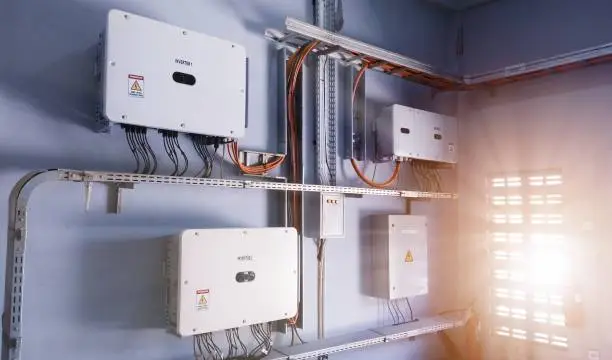
A solar inverter is one of the most important components of any solar energy system. Without it, solar panels cannot power your appliances or send electricity to the grid. While solar panels capture sunlight and convert it into electricity, the inverter is the device that makes that electricity usable. In simple terms, a solar inverter is the “brain” of the solar system managing power flow, protecting the system from damage and ensuring efficient performance. Understanding how it works helps homeowners and installers make informed decisions when choosing the right solar setup.
What Exactly Is a Solar Inverter?
A solar inverter is an electrical device that converts DC (Direct Current) electricity produced by solar panels into AC (Alternating Current) electricity. Almost all household appliances—including fans, lights, refrigerators, pumps, TVs, and chargers—run on AC electricity. Even the national grid distributes AC power.
Because solar panels naturally produce DC power, the inverter becomes essential. Without it, the energy from the panels cannot be used to run your home or business. In addition to power conversion, modern inverters also perform key functions such as voltage regulation, system monitoring, battery management, and safety protection.
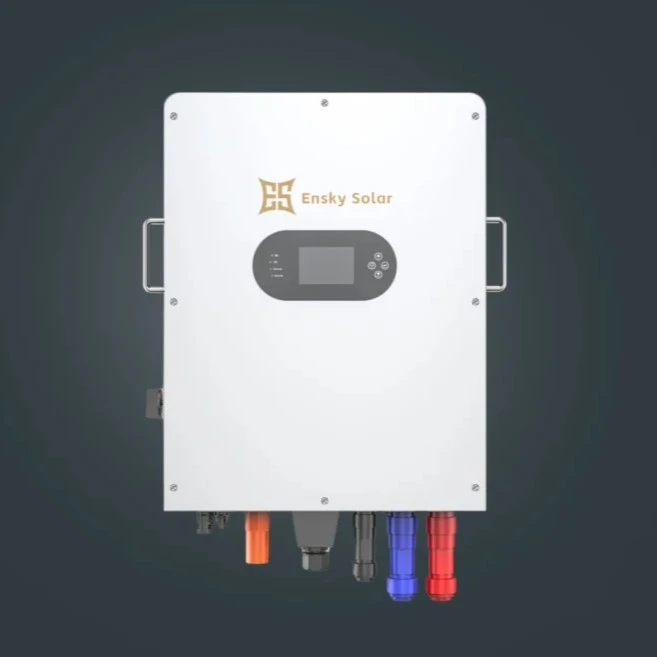
How Does a Solar Inverter Work?
To understand how an inverter works, it helps to break the process down into stages:
1. Solar Panels Generate DC Power
Solar panels absorb sunlight and convert it into electrical energy using semiconductor materials (usually silicon). This raw energy comes out as DC electricity. The amount produced depends on sunlight intensity, panel size, and installation angle.
2. DC Power Flows Into the Inverter
The inverter is connected directly to the solar panels. It receives this DC power through input terminals. At this stage, the electricity is still not suitable for home use.
3. Conversion From DC to AC
Inside the inverter, electronic components—such as transistors, MOSFETs, and capacitors—rapidly switch the DC power on and off at very high speeds. This creates a waveform that mimics AC electricity.
The device then shapes this waveform into what is called pure sine wave AC, which is the same type of electricity supplied by the grid. Pure sine wave output is essential because it ensures safe operation of sensitive devices like laptops, fridges, and medical equipment.
4. Voltage and Frequency Regulation
The inverter ensures that the voltage (usually 220–230V in Nigeria) and frequency (50Hz) remain stable. This protects appliances and maintains optimal efficiency.
5. Power Distribution
Once converted, the AC electricity is sent to:
•Your home’s electrical wiring
•Connected appliances
•The grid (in grid-tied systems)
•Batteries (in hybrid or off-grid setups)
Some inverters intelligently decide when to use solar, battery, or grid power depending on availability and demand.
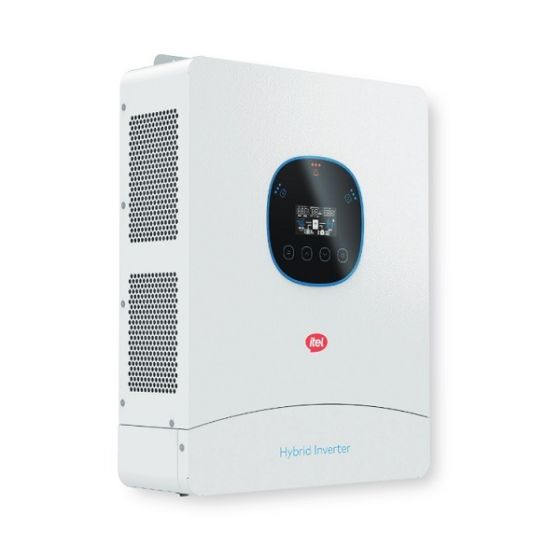
Types of Solar Inverters
Understanding how inverters work also includes knowing the main types:
1. Off-Grid (Non-Hybrid) Inverters
These work with batteries only and are ideal for locations without grid supply.
2. Hybrid Inverters
These combine solar, battery, and grid inputs. They automatically switch between power sources and support battery charging from both solar and grid.
3. Grid-Tied Inverters
These synchronize with the national grid and feed excess power back, but do not support batteries.
Why a Solar Inverter Matters
A good inverter increases overall system efficiency, protects your appliances, and ensures smooth operation even when sunlight fluctuates. It also extends battery lifespan (for systems with batteries) by using smart charging algorithms.
A solar inverter is the heart of any solar power system. It converts DC to AC, regulates voltage, manages energy flow, and protects your home and appliances. Whether you are powering a house, shop, farm, or office, choosing the right inverter—and understanding how it works—is key to getting reliable, long-lasting solar power.
To see more of our available solar inverters, click here