Solar panels are devices designed to convert sunlight into electricity. They are a key component of solar energy systems and are widely used in homes, businesses, industries, and even rural communities without access to the national power grid. As the world shifts toward renewable energy sources, solar panels have become increasingly popular because they provide clean, sustainable, and cost-effective electricity.
At their core, solar panels are made up of many smaller units called photovoltaic (PV) cells. These cells are responsible for converting sunlight into electrical energy. When sunlight shines on a solar panel, it is absorbed by the PV cells. This sunlight contains tiny energy particles known as photons. When photons strike the surface of the solar cells, they transfer their energy to electrons within the material of the cell.
This energy transfer excites the electrons and causes them to move. The movement of electrons creates an electric current. This process of converting sunlight into electricity is known as the photovoltaic effect. It is a natural physical and chemical phenomenon that allows solar panels to produce power without burning fuel or producing harmful emissions.

The electricity produced by solar panels is called direct current (DC). However, most household appliances operate using alternating current (AC). Therefore, solar systems include a device called an inverter that converts DC electricity into AC electricity so it can power televisions, refrigerators, lighting systems, fans, and other appliances.
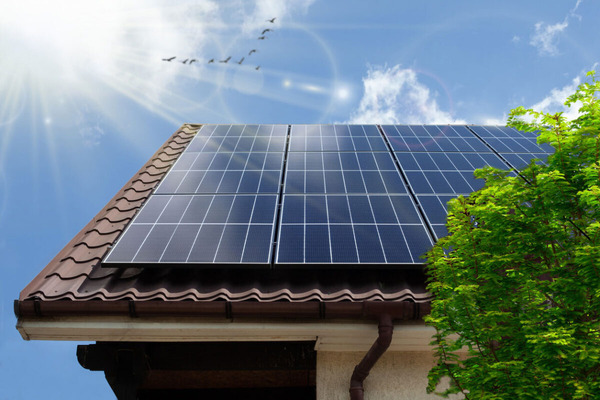
Solar panels are typically installed on rooftops or open spaces where they can receive maximum sunlight. The more sunlight they absorb, the more electricity they generate. Even on cloudy days, solar panels can still produce power, though at a reduced level.
One major advantage of solar panels is that they generate electricity without pollution. Unlike generators that rely on petrol or diesel, solar panels do not release harmful gases into the atmosphere. This makes them environmentally friendly and a powerful tool in the fight against climate change.
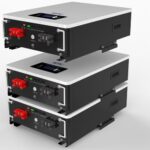
In addition to environmental benefits, solar panels help reduce electricity bills. Once installed, sunlight is free. Homeowners can generate their own electricity and reduce dependence on utility companies. In some systems, excess electricity can even be stored in batteries or fed back into the grid.
Solar panels are durable and designed to last for many years—often 25 years or more. With proper installation and minimal maintenance, they can provide reliable power for decades.
In summary, solar panels work by capturing sunlight, converting it into electricity through the photovoltaic effect, and delivering usable energy to homes and businesses. They are a clean, sustainable, and increasingly essential source of power in today’s world.