A common misconception is that a UPS and a generator serve the same purpose. While both provide backup power, they function differently and are often most effective when used together.
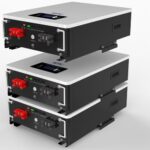
A UPS delivers instant backup power from its internal batteries the moment utility power fails. This immediate response prevents computers, servers, networking equipment, and other electronics from shutting down unexpectedly. Backup duration typically ranges from a few minutes to several hours depending on battery capacity.
Generators, on the other hand, can supply power for extended periods but require time to start after an outage occurs. During this startup period, connected equipment may lose power unless a UPS is present.
Another key difference is power quality. UPS systems regulate voltage and protect against surges, spikes, and fluctuations. Generators provide backup electricity but may not offer the same level of power conditioning.
For businesses, hospitals, banks, and data centers, combining a UPS with a generator provides the best solution. The UPS bridges the gap during outages, while the generator takes over for long-term power supply.
Ultimately, a UPS protects equipment and ensures continuity during the critical first moments of a power failure, while a generator provides sustained power for extended outages. Together, they form a comprehensive backup power strategy that enhances reliability and minimizes downtime.