Selecting the right type of solar panel is one of the most important decisions when designing a solar power system for a home, business, or industrial installation. Today, three main types of solar panels dominate the market—monocrystalline, polycrystalline, and thin-film—each offering unique advantages and ideal use cases depending on budget, space, climate, and energy goals.
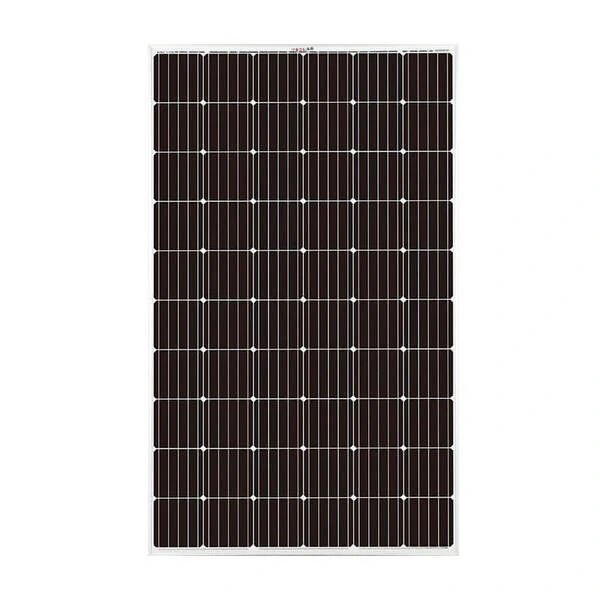
Monocrystalline solar panels are known for their high efficiency and sleek appearance. Made from single-crystal silicon, they allow greater electron flow, which translates to better energy conversion. These panels typically have the highest efficiency rates, ranging from 17% to over 22%, making them suitable for locations with limited installation space. Their durability and performance in both hot and low-light conditions make them a preferred choice for homes, commercial rooftops, and long-term investments. While monocrystalline panels cost more upfront, their higher output and longer lifespan offer strong returns over time.
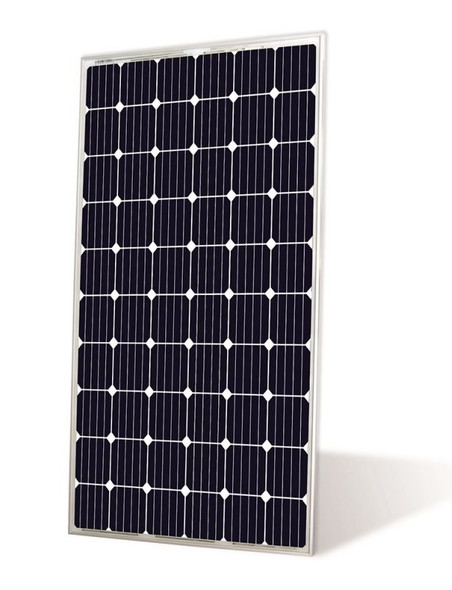
Polycrystalline solar panels are another popular option, especially for cost-conscious users. Made by melting multiple silicon fragments together, they have slightly lower efficiency—usually between 13% and 17%—but remain reliable and effective for large spaces. Their affordability makes them ideal for residential homes with ample roof area, small businesses, schools, and rural solar projects. Although they are less efficient in extreme heat and low light, polycrystalline panels remain widely used and provide a solid balance between price and performance.
Thin-film solar panels stand apart due to their lightweight and flexible structure. Manufactured using layers of materials such as cadmium telluride or amorphous silicon, thin-film panels can be applied to a variety of surfaces including glass, metal, and curved structures. They perform well in shaded areas and high-temperature environments, although their overall efficiency is lower—typically between 10% and 13%. Because they require more space to achieve the same output as crystalline panels, thin-film panels are commonly used in large-scale commercial or industrial installations, solar farms, and portable applications like RVs, streetlights, and temporary shelters.
When choosing the right type of solar panel for a home or business, several factors must be considered. Available space is one of the most important. Limited roof space favors monocrystalline panels due to their high efficiency and compact design. For users prioritizing budget over maximum output, polycrystalline panels offer dependable performance with manageable costs. Businesses or large properties with open land may benefit from thin-film panels, especially when weight or surface shape is a concern.
Climate also influences the decision. Monocrystalline panels perform better in diverse weather conditions, while thin-film panels excel in heat and partial shading. Longevity matters too—monocrystalline panels typically last the longest, followed by polycrystalline, with thin-film having a shorter average lifespan.
In summary, choosing the right solar panel type depends on specific goals such as cost, efficiency, use case, and climate. By understanding the strengths of monocrystalline, polycrystalline, and thin-film panels, homeowners and businesses can make informed decisions that ensure maximum energy production, financial savings, and long-term sustainability.
To see more of our Solar panels, inverters and batteries, visit our website @Energymall