For years, the default setup was simple: generator running, pump pulling water, tank filling up, repeat every morning before work and every evening after.
Nobody questioned it because there was no real alternative that made sense for the average household budget.
That is changing, quietly, household by household, without much fanfare or announcement.
The math is what is driving it.
Between fuel costs that have climbed steadily and now sharply higher electricity tariffs in bands like A and B, the daily cost of powering a water pump the old way has become one of the more painful recurring expenses in a Nigerian home, sitting quietly alongside fuel for the main generator and cooking gas as a monthly drain nobody budgeted properly for at the start.
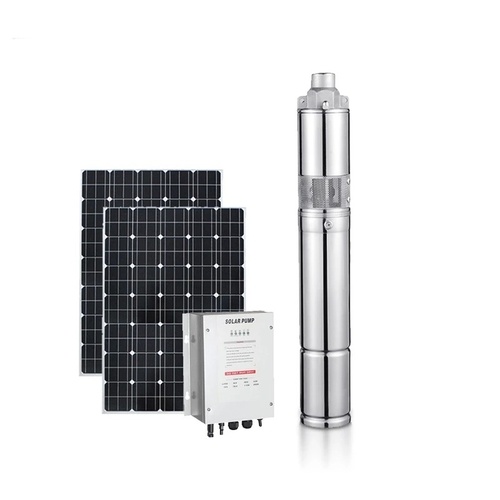
A solar-powered pump setup removes fuel from the equation entirely and, depending on your configuration and panel capacity, significantly reduces or eliminates the grid electricity cost of pumping water altogether.
This is not a theoretical upgrade reserved for the wealthy few anymore.
As more households sit down and compare the total cost of generator fuel over a full year against the upfront cost of a solar pump system, the numbers are starting to favour solar clearly, especially for anyone already dealing with unreliable grid supply, frequent outages, or high tariff bands that make grid-powered pumping expensive even when the power is available.
There is a practical reliability angle too.
A solar pump does not care whether the grid is up or whether there is fuel in the generator tank.
As long as there is daylight, the pump works, which matters enormously for households that have experienced the specific frustration of an empty overhead tank on a day the generator refused to start or fuel simply was not available anywhere nearby.
The shift is quiet because most people are not announcing it on social media; they are just quietly retiring their generator-dependent pump setups and switching over during their next borehole service or pump replacement.
Ask around in your estate and you will likely find at least one household that has already made the move, usually after getting fed up with a particularly expensive month of fuel and electricity bills combined.
EnergyMall’s solar water pump options are built for the realities of Nigerian power supply, not adapted from setups designed for a different grid entirely with consistent electricity and no fuel scarcity to worry about.
If your generator has become the most expensive part of getting water into your tank, it may be time to look at what solar can actually do for your household, both in terms of savings and in terms of simply not thinking about fuel anymore.
The transition also tends to be less disruptive than people expect.
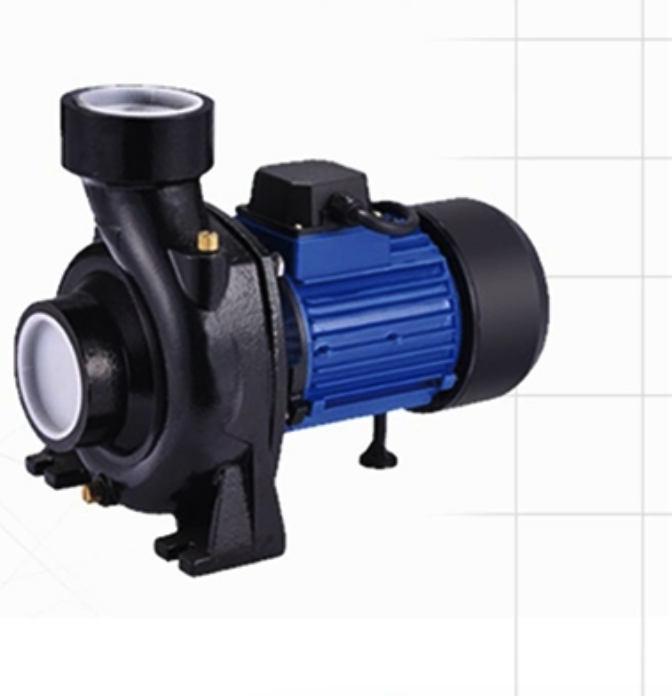
Most solar pump conversions do not require ripping out the existing borehole setup, just replacing the pump itself and adding panels sized to match its draw.
For households cautious about committing fully, starting with the pump alone, sized correctly for existing panel capacity or a modest new solar addition, is a manageable first step rather than an all-or-nothing overhaul of the entire home’s power setup.
Timing the pump’s run cycle to daylight hours, when the panels are actively generating, also removes any need for large battery storage dedicated purely to water pumping.
Fill the tank during the day while the sun is out, and the household draws from the stored tank overnight the same way it always has.
This keeps the system simpler and the upfront cost lower than households often assume before actually pricing it out, and it is usually the first question our team walks through with anyone considering the switch.