Pulse Width Modulation (PWM) solar charge controllers are a simple and cost-effective solution for small-scale solar power systems. While they may not be as efficient as MPPT controllers, they offer a viable option for applications with limited power requirements and budget constraints.
How PWM Controllers Work:
Simple Operation: PWM controllers regulate the flow of electricity from the solar panels to the battery by rapidly switching the connection between them on and off.
Voltage Regulation: By adjusting the duty cycle (the ratio of on-time to off-time), PWM controllers effectively reduce the voltage from the solar panel to match the battery’s voltage.
Advantages of PWM Controllers:
Lower Cost: PWM controllers are generally more affordable than MPPT controllers, making them a budget-friendly option for small projects.
Simplicity: PWM controllers are relatively simple to install and configure.
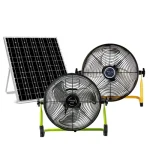
Suitable for Small Systems: They are well-suited for small-scale applications such as powering small appliances, charging batteries for camping or off-grid cabins, and powering basic lighting systems.
Limitations of PWM Controllers:
Lower Efficiency: PWM controllers can lose a significant portion of the energy generated by the solar panels, especially in conditions of varying sunlight or high temperatures.
Limited Energy Output: Due to lower efficiency, PWM controllers may not be able to provide sufficient power for larger systems or applications with high energy demands.