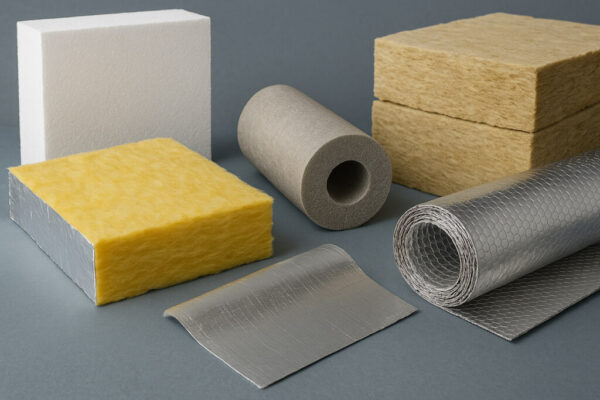
Most households think about insulation, when they think about it at all, in terms of whichever season is currently causing discomfort.
Rain is the problem right now, so insulation gets framed as a rain solution.
Once harmattan arrives with its dust and cold nights, the conversation shifts entirely, as if insulation installed for one season has nothing to offer for the next.
That’s a mistake, and it’s costing households the chance to make one investment that actually addresses both.
What’s Coming After September
Harmattan brings a completely different set of conditions.
Dust infiltration becomes a real issue as dry winds carry fine particles into homes through the same gaps and cracks that let moisture in during the rains.
Temperature swings become sharper, particularly in the middle belt and further north, where nights can get genuinely cold even while afternoons stay warm.
And overall humidity drops sharply, which shifts the moisture-related risks from external water penetration to different problems entirely, like drier indoor air and the temperature-driven condensation that happens when warm indoor air meets surfaces that have gotten cold overnight.
Why the Same Gaps Cause Both Sets of Problems
The physical vulnerabilities that let rain and humidity into a home during September are largely the same vulnerabilities that let dust and cold air in during harmattan.
A gap around a window frame doesn’t care whether what’s coming through it is humid rain-season air or dry, dust-laden harmattan wind.
A poorly insulated wall doesn’t discriminate between moisture penetration during the rains and heat loss in December.
These are two different symptoms of the same underlying issue: a home without a proper barrier between its interior and whatever conditions are happening outside.
This is exactly why insulation installed now, while the immediate concern is rain and humidity, continues paying off once the immediate concern shifts to dust and cold.
The barrier doesn’t need to be reinstalled or reconfigured for the new season.
It was already addressing the structural gap that both seasons exploit in their own way.
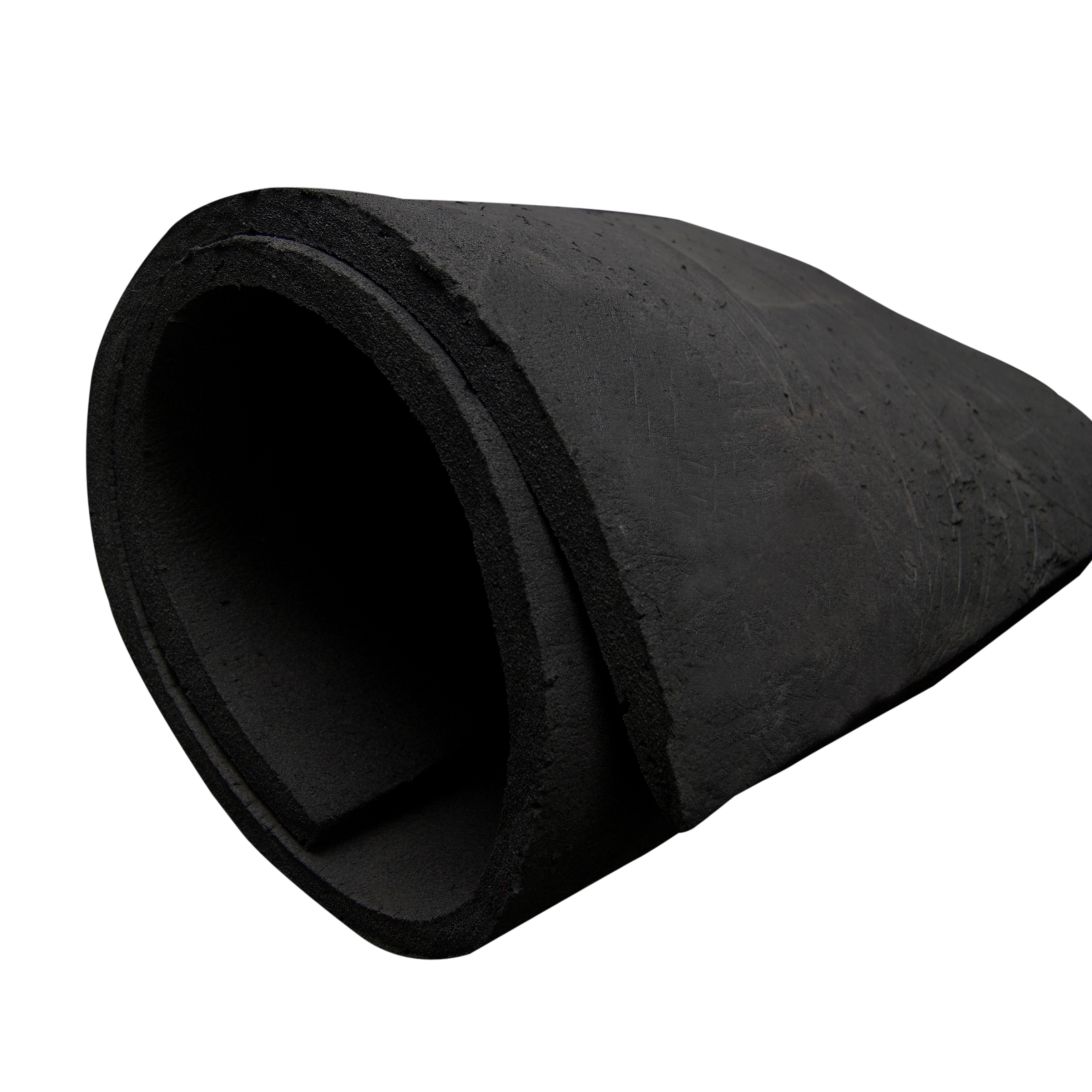
The Naira Case for Acting Now Rather Than Waiting
Households that wait until harmattan arrives to think about insulation are often reacting to a new set of symptoms, dust everywhere, cold nights, higher heating or comfort-related costs, as if they’re an entirely separate problem requiring a separate solution.
In reality, addressing insulation now solves the current rain-related issues and pre-empts the harmattan-related ones, meaning one investment covers what would otherwise feel like two unrelated seasonal expenses spread months apart.
There’s also a practical timing advantage.
Installing insulation during the current window, after the worst of the flooding risk but before harmattan dust and demand for home improvement work both pick up toward the end of the year, tends to be a calmer, less rushed process than trying to arrange it once dust is already infiltrating and December’s holiday season has technicians and suppliers stretched thin.
Thinking Beyond a Single Season
The households that get the most value from insulation are the ones that stop treating it as a response to whichever discomfort is currently active and start treating it as infrastructure, something that quietly does its job regardless of whether the current threat is water, humidity, dust, or cold.
That shift in thinking is really the difference between spending on insulation once and spending on some seasonal patch or workaround every few months as the weather cycles through its usual pattern.
September’s rains will end.
Harmattan will follow right behind them.
The home that’s already sealed against one is largely already sealed against the other.
Invest once, protect through both seasons — explore insulation solutions at Energymall.ng