The convergence of solar energy storage and smart home technology is revolutionizing how we consume and manage electricity. By seamlessly integrating solar batteries with smart home systems, homeowners can achieve unprecedented levels of energy efficiency, cost savings, and grid independence.
Understanding the Core Components:
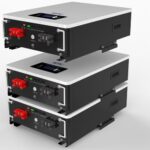
Solar Batteries (Energy Storage Systems – ESS): These systems store excess solar energy generated by photovoltaic (PV) panels, allowing homeowners to utilize it during periods of low sunlight or power outages. Modern solar batteries, like lithium-ion models, offer high efficiency, longevity, and intelligent energy management capabilities.
Smart Home Technology: This encompasses a network of interconnected devices and systems that automate and optimize various aspects of a home, including lighting, HVAC, appliances, and security. Smart home hubs, smart thermostats, and energy monitoring systems are crucial for effective energy management.
The Synergistic Benefits of Integration:
Maximized Solar Energy Utilization:
Smart home systems can intelligently schedule appliance operation during peak solar production hours, ensuring maximum utilization of free solar energy.
Energy monitoring tools provide real-time data on solar generation and battery storage levels, enabling homeowners to optimize energy consumption.
SEO Keywords: solar energy utilization, smart home energy monitoring, optimize solar usage
Enhanced Energy Independence and Resilience:
Solar batteries provide backup power during grid outages, ensuring uninterrupted operation of essential appliances.
Smart home systems can automatically switch to battery power during outages, minimizing disruption.
SEO Keywords: solar battery backup, home energy independence, grid resilience, power outage protection
Reduced Energy Costs:
By storing excess solar energy and using it during peak demand periods, homeowners can significantly reduce their reliance on grid electricity and lower their energy bills.
Smart thermostats and lighting controls can optimize energy consumption, further reducing costs.
SEO Keywords: solar battery cost savings, reduce energy bills, smart home energy efficiency
Improved Grid Stability:
Distributed solar battery systems can contribute to grid stability by providing ancillary services, such as frequency regulation and voltage support.
Smart home platforms can aggregate distributed energy resources (DERs) and participate in virtual power plants (VPPs).
SEO Keywords: grid stability, distributed energy resources, virtual power plants, solar battery grid support
Environmental Sustainability:
By increasing the use of renewable energy and reducing reliance on fossil fuels, integrated solar battery and smart home systems contribute to a cleaner and more sustainable environment.
SEO Keywords: renewable energy, sustainable homes, solar energy environmental benefits
Implementing Integrated Systems:
Selecting Compatible Components:
Ensure that the solar battery system and smart home platform are compatible and can communicate seamlessly.
Look for systems that offer open APIs and integration with popular smart home platforms.
Professional Installation:
Engage a qualified solar installer and electrician to ensure proper installation and integration of the solar battery system and smart home devices.