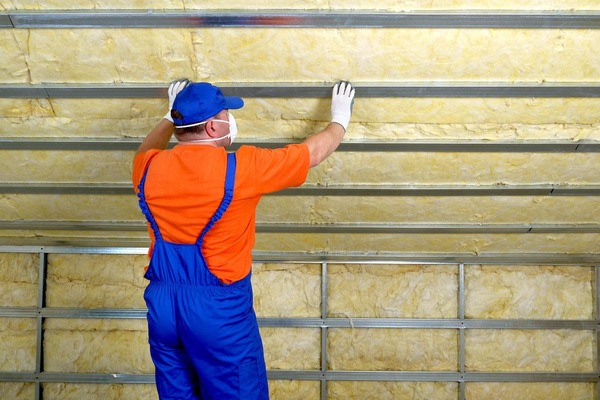
Every homeowner asks the same question before spending money on insulation: is this actually worth it, or is it money better spent elsewhere on something more visible?
At 2026 electricity rates, the answer is clearer than it has ever been, and the calculation has shifted noticeably in insulation’s favour over just the past couple of years.
Band A customers are now paying north of ₦200 per unit, a figure that would have seemed unthinkable a few years ago. Even households in lower bands are watching their bills climb steadily as air conditioning use rises nationwide and grid supply struggles to keep pace with demand.
Against that backdrop, any upgrade that meaningfully cuts your AC’s daily workload starts paying for itself considerably faster than it would have just a few years back, when tariffs sat at a fraction of today’s rates.
Here is the practical way to think about it: insulation does not reduce your AC’s electricity draw while it is actively running; it reduces how long the AC actually needs to run to reach and then hold a comfortable temperature throughout the day and night.
Less run time translates directly into fewer kilowatt-hours consumed, which translates directly into a lower monthly bill, at whatever your current tariff band happens to be, whether that is Band A or one of the lower bands.
For most households running AC daily in hot regions like Lagos, Port Harcourt, or Abuja, the electricity savings from proper roof and ceiling insulation accumulate steadily month over month, and at today’s Band A and Band B rates specifically, that accumulation adds up considerably faster than most people expect when they first consider the upgrade.
Add in the comfort improvement that comes alongside it—cooler rooms without needing to crank the AC’s thermostat lower and lower—and the case becomes genuinely hard to argue against on either financial or comfort grounds.
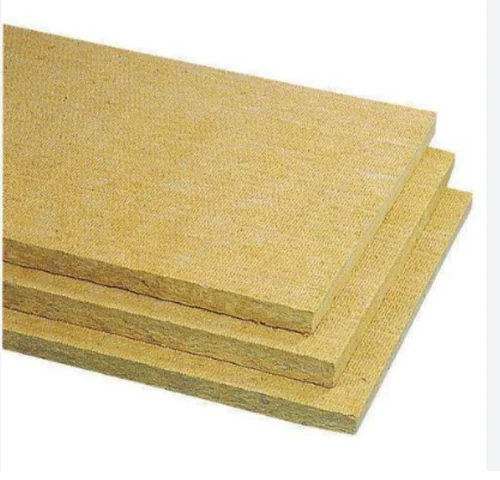
There is also a resale and rental value angle worth mentioning.
Properties marketed with proper insulation and demonstrably lower utility costs are increasingly attractive to tenants and buyers who have themselves felt the sting of a Band A bill in an uninsulated home.
This is starting to show up as a genuine selling point in property listings, not just an internal cost-saving measure for the current occupant.
The exact payback period depends on your home’s size, your current AC habits, and your specific tariff band, but the overall direction is consistent across almost every scenario: at 2026 rates, insulation is no longer a “nice to have” reserved for the environmentally conscious.
Talk to Energymall about assessing your specific setup and what the real numbers look like for your household before the next round of tariff adjustments arrives.
Households already tracking their monthly electricity spend closely, which is now most households given how sharply bills have risen, are in the best position to actually measure this payback for themselves.
Note your average bill for two or three months before installation, then compare it against the following months once insulation is in place.
The difference, multiplied out over a year, usually tells a more convincing story than any projection or estimate offered upfront, because it is your own household’s actual numbers rather than a generic industry average.
It is also the number worth showing anyone else in the family still on the fence about the upfront cost, since a real bill comparison tends to settle the argument faster than any brochure or sales pitch could.
It is also worth factoring in that tariffs have historically moved in one direction over time, upward, rather than reversing.
Any ROI calculation done today using current rates is, if anything, likely conservative, since the electricity savings insulation delivers only become more valuable as the cost per unit continues climbing in the years ahead, making the actual long-term payback shorter than a same-day estimate would suggest.