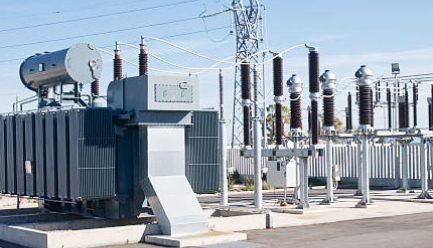
Selecting the right transformer capacity for a commercial building is one of the most critical infrastructure decisions a property owner or facility manager can make. A transformer is not just another electrical component; it is the backbone of your power distribution system. If incorrectly sized, it can lead to overheating, voltage drops, system failures, and costly downtime. Choosing the right capacity ensures smooth operations, safety, and long-term reliability.
Commercial buildings often house multiple electrical loads including elevators, HVAC systems, lighting networks, office equipment, and sometimes industrial machines. Each of these systems contributes to the total electrical demand. Underestimating load requirements leads to transformer overload, which reduces efficiency and shortens lifespan. Overestimating capacity unnecessarily increases capital investment. Precision matters.
The first step in selecting the right transformer is conducting a comprehensive load assessment. This involves calculating total connected load, peak demand, and future expansion plans. Many businesses make the mistake of buying based solely on current consumption without planning for growth. A properly sized transformer should comfortably handle present load while allowing room for expansion.
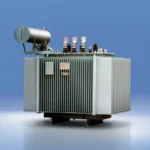
Three-phase transformers are typically required for commercial properties because they efficiently handle larger loads and distribute power evenly. The choice between oil-cooled and dry-type transformers depends on installation environment, safety requirements, and budget considerations. Each option has performance advantages when matched correctly to the building’s needs.
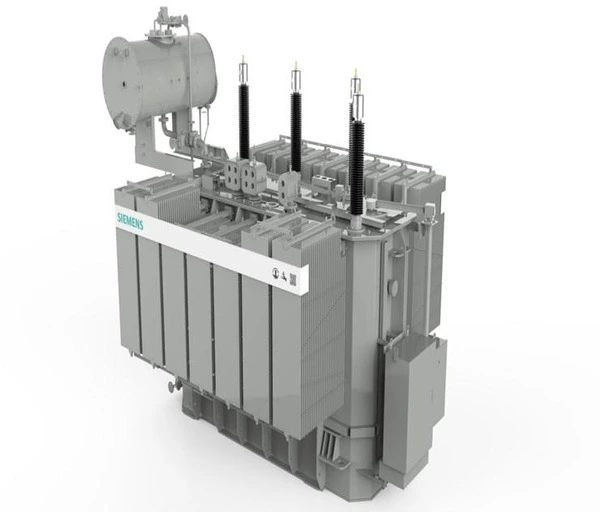
Voltage requirements must also be considered. Commercial buildings often receive high-voltage supply which must be stepped down safely for internal use. Selecting a transformer with appropriate voltage ratings ensures compatibility with your electrical system and prevents damage.
Energy efficiency is another key factor. High-efficiency transformers reduce energy loss, lowering operational costs over time. Although efficient models may require higher initial investment, the long-term savings on electricity bills justify the expense.
Professional consultation ensures accurate calculations and safe installation. Transformer selection is not an area for guesswork. Errors can lead to fire hazards, compliance issues, and expensive retrofits.
A well-chosen transformer guarantees stable power distribution, protects connected equipment, and supports seamless operations. Investing correctly today prevents infrastructure limitations tomorrow. For any commercial building serious about performance and safety, proper transformer sizing is not optional; it is essential.