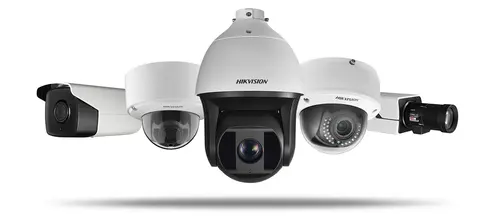
A smart CCTV system connected to the internet is another computer on your network. Treat it that way.
Start with the camera account. Never leave the default password in place. Use a strong, unique password and enable multi-factor authentication when the manufacturer supports it.
Keep the camera firmware updated. Security vulnerabilities can appear after you install a device, so an old camera can become a weak point even when the hardware itself still works perfectly.
Your home network matters too. Put cameras on a separate network or VLAN when your router supports it. This creates a barrier between your cameras and devices such as laptops, phones and work computers.
Turn off features you do not use. Remote access, unnecessary integrations and unused accounts increase the number of ways someone could interact with the system.
Check who has access. Family members, installers and former employees should not keep permanent accounts simply because they once needed access.
Storage deserves attention as well. Cloud recording can be convenient, but understand what gets uploaded, how long it is retained and who can access it.
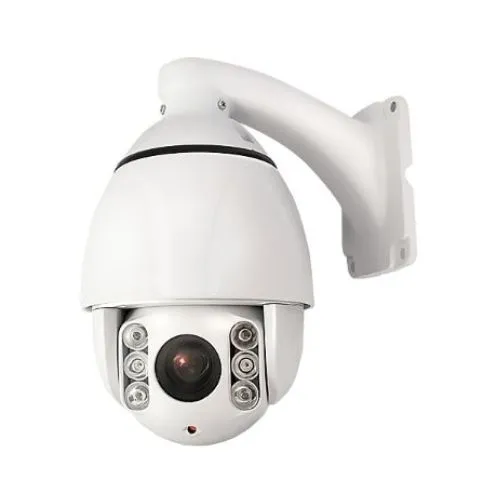
AI surveillance has made access control even more important because modern cameras can analyze people, vehicles and behavior rather than simply record video. Recent cases involving misuse of AI-powered surveillance systems show why governance and access controls matter.
A secure CCTV setup is not about buying the most expensive camera. It is about controlling accounts, updates, network access and stored footage.
Shop for our available CCTV security systems today at Energymall.ng