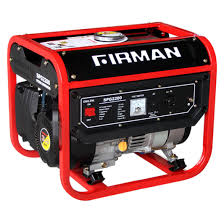
Proper generator maintenance is essential for ensuring long-term performance, reliability, and efficiency. A generator is a significant investment, whether for home, office, or business use, and neglecting its upkeep can lead to frequent breakdowns, high repair costs, and unexpected downtime. With regular care and attention, a generator can operate smoothly for many years while delivering consistent power when it is needed most.
One of the most important aspects of generator maintenance is regular inspection and servicing. This includes checking engine oil levels, coolant, fuel lines, and air filters. Engine oil should be changed at recommended intervals, as old or dirty oil can cause excessive wear on internal components. Air filters should also be cleaned or replaced regularly to ensure proper airflow and efficient combustion. Routine inspections help detect small issues early before they develop into major mechanical problems.
Fuel management is another critical factor in maintaining a generator for long-term use. Using clean, high-quality fuel reduces the risk of engine deposits and injector blockage. For generators that are not used frequently, fuel can degrade over time and affect performance. It is advisable to drain old fuel or use fuel stabilizers to prevent contamination. Keeping the fuel tank clean and properly sealed also helps prevent moisture buildup, which can damage the fuel system.
Battery care plays a key role in generator reliability. A weak or damaged battery is one of the most common reasons generators fail to start. The battery terminals should be kept clean and free of corrosion, and the battery charge level should be checked regularly. Running the generator periodically helps keep the battery charged and ensures that the system remains ready for use during power outages.
Proper cooling and ventilation are essential to prevent overheating. Generators should be installed in well-ventilated areas where heat can dissipate easily. Cooling systems, including radiators and cooling fans, should be inspected to ensure they are functioning properly. Blocked airflow or faulty cooling components can cause overheating, which significantly reduces engine life and performance.
Regular load testing is also important for long-term generator health. Running a generator under load helps prevent issues such as wet stacking and carbon buildup, especially in diesel generators. Operating the generator occasionally at moderate to high load ensures that internal components remain clean and functional. This practice also confirms that the generator can handle power demands when required.
Finally, keeping detailed maintenance records helps ensure consistent care. Recording service dates, oil changes, filter replacements, and repairs makes it easier to follow a maintenance schedule and identify recurring issues. Following the manufacturer’s maintenance guidelines and using qualified technicians when necessary further extends the generator’s lifespan.
In conclusion, long-term generator performance depends on regular maintenance, proper fuel and battery care, adequate ventilation, and routine load testing. By following these practices, users can reduce breakdowns, improve efficiency, and ensure reliable power for years to come.