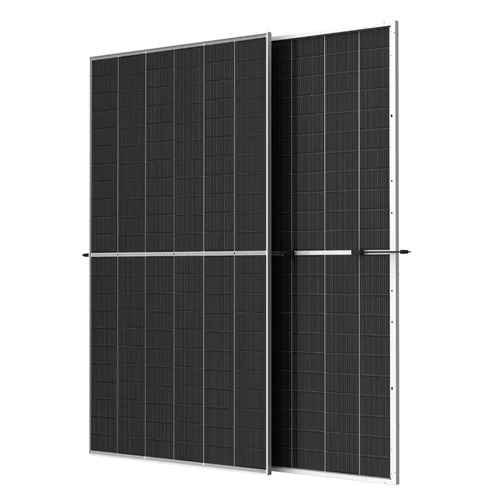
Solar panels are designed to operate for many years with relatively little maintenance. However, installing solar panels and leaving them completely unattended can gradually reduce their performance. Dust, dirt, bird droppings, shading, loose connections and other environmental factors can prevent panels from producing as much electricity as they should.
For homeowners and businesses investing in solar energy, proper solar panel maintenance is essential for getting maximum performance and extending the useful life of the system.
This guide explains how to maintain solar panels effectively and keep your solar power system operating efficiently.
1. Keep Solar Panels Clean
One of the simplest and most important solar panel maintenance practices is keeping the panel surface clean.
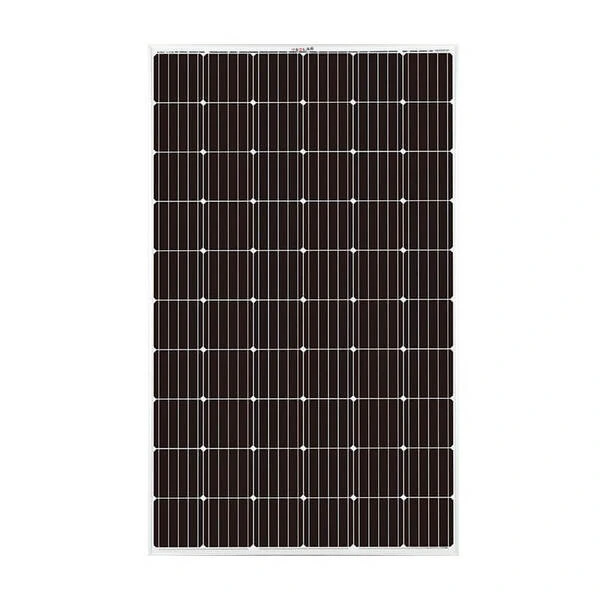
Dust, dirt, leaves, bird droppings and other debris can accumulate on the panels and prevent sunlight from reaching the photovoltaic cells. This can reduce electricity production.
This is particularly important in dusty environments or areas where there is significant construction activity.
Solar panels do not necessarily need to be cleaned every day. The frequency depends on the environment. However, homeowners should inspect their panels regularly and clean them when significant dirt or debris has accumulated.
Use clean water and a soft sponge, cloth or appropriate solar panel cleaning equipment. Avoid abrasive materials that could scratch the glass surface.
2. Inspect Your Solar Panels Regularly
Visual inspection can help identify potential problems before they become expensive repairs.
Look for:
– Cracks or damaged glass
– Discoloration
– Loose mounting components
– Accumulated dirt
– Bird droppings
– Corrosion
– Damaged cables
– Water or moisture around electrical connections
If you notice physical damage or exposed electrical wiring, avoid attempting electrical repairs yourself. Contact a qualified solar technician.
3. Check for Shading
Solar panels need adequate exposure to sunlight to generate electricity efficiently.
As trees grow or new buildings and structures are added around a property, shadows can begin falling on the solar panels.
Even partial shading can affect the output of a solar array, depending on the panel and system configuration.
Regularly check the area surrounding your panels for new sources of shade. Where appropriate, trim vegetation that is obstructing sunlight, while ensuring that this is done safely.
4. Monitor Your Solar System’s Performance
Cleaning your panels is important, but monitoring their electricity production is equally valuable.
Many modern solar inverters provide information about solar generation, battery charging and energy consumption through a display or monitoring application.
Pay attention to unusual changes in solar production.
For example, if your system normally generates a certain amount of energy under similar weather conditions but suddenly begins producing significantly less, this could indicate a problem with the panels, wiring, inverter or another component.
Early detection can prevent a minor problem from becoming a major system failure.
5. Check the Solar Panel Mounting Structure
Solar panels are typically installed on roofs or ground-mounted structures.
The mounting system keeps the panels securely positioned and maintains their intended orientation.
Strong winds, corrosion and prolonged exposure to weather can affect mounting components over time.
During routine inspections, check for loose bolts, corrosion or movement in the mounting structure.
Do not climb onto a roof simply to inspect solar panels unless you have the appropriate safety equipment and training. A qualified installer can perform a professional inspection.
.
6. Keep Surrounding Areas Free of Debris
Leaves, branches and other debris can accumulate around solar panels, particularly when trees are nearby.
Regularly check the area around the panels and remove debris where it can be done safely.
Keeping the surrounding area clear also makes it easier to identify potential problems such as shading or damaged components.
7. Inspect Solar Cables and Connections
Solar systems contain electrical cables connecting the panels to the inverter and other components.
Damaged, loose or exposed cables can affect system performance and create safety risks.
During professional maintenance, cables and electrical connections should be checked for signs of deterioration, overheating, corrosion or physical damage.
Never touch exposed electrical conductors or attempt to repair damaged solar wiring without the appropriate qualifications.
8. Pay Attention to Extreme Heat
Solar panels are designed to operate outdoors, but their electrical performance can be affected by high temperatures.
Good installation practices should allow appropriate airflow around the panels and prevent unnecessary heat accumulation.
Although you cannot control the outdoor temperature, ensuring that panels are installed correctly and that ventilation around the modules is not obstructed can help maintain performance.
9. Don’t Use Harsh Cleaning Chemicals
Using strong chemicals, abrasive cleaners or rough brushes can damage the protective surface of solar panels.
In most cases, clean water and a soft cleaning material are sufficient for removing ordinary dust and dirt.
If stubborn stains require specialized cleaning, consider using products recommended by the panel manufacturer or hiring a professional solar maintenance company.
10. Schedule Professional Solar System Inspections
While homeowners can perform basic visual checks, professional inspections are recommended periodically.
A qualified technician can assess the panels, inverter, battery, cables, connections, protection devices and mounting structure.
Professional maintenance can also identify electrical or performance problems that may not be visible during a simple visual inspection.
How Often Should Solar Panels Be Maintained?
There is no universal maintenance schedule because environmental conditions vary.
Homes in dusty areas may require more frequent cleaning than properties in cleaner environments. Likewise, systems surrounded by trees may require more frequent inspections because of leaves and shading.
A practical approach is to visually inspect your panels regularly and clean them whenever significant dirt or debris is present, while arranging professional inspections according to the manufacturer’s recommendations and the conditions of the installation.
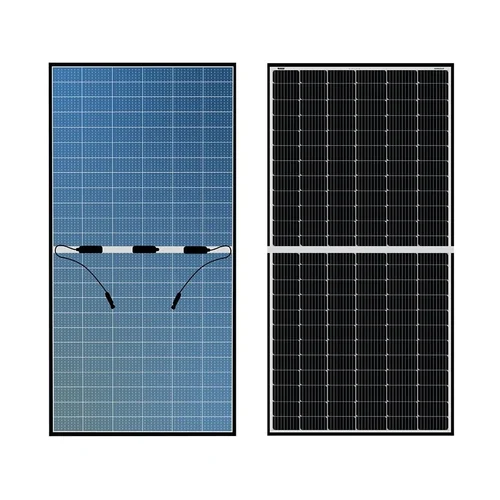
Proper solar panel maintenance doesn’t have to be complicated. Keeping panels clean, monitoring system performance, checking for shading and inspecting mounting structures and electrical components can help maintain efficient operation.
For Nigerian homes and businesses, regular maintenance is particularly important in dusty environments and areas where weather conditions can affect solar installations.
A well-maintained solar system can deliver better performance, help identify problems early and protect your investment over the long term. If you notice a significant drop in solar production or any physical or electrical damage, consult a qualified solar professional rather than attempting potentially dangerous repairs yourself.
Visit Energymall.ng today for our available solar panels and batteries