A Comprehensive Guide
Solar energy is a renewable and clean source of power that harnesses the energy emitted by the Sun. It is a sustainable alternative to fossil fuels and offers numerous environmental and economic benefits.
Here is a comprehensive guide on how solar energy works:
- Sunlight
Solar energy is derived from the sunlight that reaches the Earth’s surface. The Sun constantly emits vast amounts of energy in the form of electromagnetic radiation.
- Solar Panels (Photovoltaic Cells)
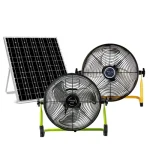
Solar panels, also known as photovoltaic (PV) cells, are the primary components used to capture sunlight and convert it into electricity. These panels are typically made of silicon or other semiconductor materials.
- Photovoltaic Effect
When sunlight strikes the solar panels, it excites the electrons in the semiconductor material. This creates an electric field across the layers of the cell, which allows the movement of electrons. The photovoltaic effect is the fundamental principle behind the conversion of solar energy into electricity.
- Direct Current (DC)
The solar panels produce direct current (DC) electricity. DC electricity flows in one direction, and it is the same type of electricity produced by batteries.
- Inverter
Since most household appliances and the electrical grid operate on alternating current (AC), an inverter is used to convert the DC electricity produced by the solar panels into AC electricity.
- Electrical Load
The AC electricity generated by the inverter can now be used to power various electrical loads, such as lights, appliances, and electronic devices, within the building or home.
- Net Metering (Grid-Tied Systems)
In grid-tied solar systems, excess electricity generated by the solar panels can be sent back to the electrical grid. This process is known as net metering. When this happens, the utility company credits the solar system owner for the surplus energy, which can be used when the solar panels are not generating sufficient power, such as during nighttime or cloudy days.
- Battery Storage (Off-Grid Systems)
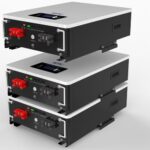
In off-grid solar systems, where no connection to the electrical grid exists, batteries are used to store excess electricity generated during the day. The stored energy can then be used during the night or when the demand exceeds the solar panel’s output.
- Solar Tracking Systems
To maximize energy production, solar panels can be mounted on solar tracking systems that follow the movement of the Sun throughout the day. This allows the panels to receive sunlight at an optimal angle, enhancing their efficiency.
- Maintenance and Monitoring
Regular maintenance is essential to ensure the optimal performance of solar systems. This includes cleaning the panels, inspecting wiring connections, and monitoring energy production to identify any potential issues.
Solar energy offers several advantages, including reducing greenhouse gas emissions, decreasing reliance on fossil fuels, lowering electricity bills, and promoting energy independence. As technology continues to advance, solar energy is becoming more efficient, affordable, and widely adopted as a viable source of renewable energy.
Solar energy offers several significant benefits when it comes to saving money and protecting the environment. Here are some key advantages:
- Reduced Energy Bills
Solar energy allows you to generate your own electricity, which can significantly reduce your reliance on traditional utility companies. By installing solar panels, you can generate power to meet a portion or even all of your energy needs, resulting in substantial savings on your monthly electricity bills over the system’s lifetime.
- Return on Investment (ROI)
While the initial investment of installing solar panels may seem significant, it is important to consider the long-term financial benefits. Solar systems typically have a relatively quick payback period, and over time, the savings on electricity bills can offset the installation costs. In many cases, solar installations can generate a positive return on investment, leading to long-term financial gains.
- Net Metering and Feed-in Tariffs
Many regions offer net metering or feed-in tariff programs that allow solar system owners to sell excess electricity back to the grid. With net metering, any excess electricity produced during the day is fed into the grid, and you receive credits that can be used when your solar panels are not generating enough power, such as at night. Feed-in tariffs involve selling the excess electricity to the utility company at a predetermined rate. These programs can further enhance the financial benefits of solar energy by providing additional income or reduced utility bills.
- Long-Term Cost Stability
Solar energy offers long-term cost stability compared to traditional energy sources, which are subject to fluctuating fuel costs and inflation. Once installed, solar panels have a lifespan of 25 years or more, during which you can enjoy consistent and predictable energy production without worrying about rising energy prices.
- Environmental Sustainability
Solar energy is a clean and renewable energy source that produces no greenhouse gas emissions or air pollutants during operation. By reducing reliance on fossil fuels, solar power helps mitigate climate change and air pollution, contributing to a healthier environment and improved public health.
- Energy Independence
Solar energy provides the opportunity to become more energy independent. By generating your own electricity, you are less dependent on utility companies and the grid. This can be particularly beneficial during power outages or in remote areas where access to the grid is limited.
- Job Creation and Economic Growth
The solar industry has experienced significant growth in recent years, leading to job creation and economic development. Installing solar panels requires skilled labor, creating employment opportunities in manufacturing, installation, maintenance, and other related sectors.
Overall, solar energy offers a win-win scenario by saving money on energy bills while simultaneously contributing to a cleaner, more sustainable environment. It provides financial benefits, energy independence, and helps combat climate change, making it a compelling choice for individuals, businesses, and communities seeking both economic and environmental advantages.