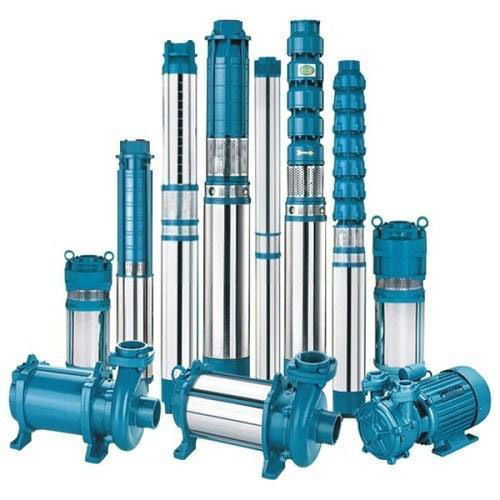
Water pumps are essential machines used in homes, industries, agriculture and construction to move water from one point to another. Whether it’s drawing water from a borehole, circulating water in a cooling system or draining a flooded area, water pumps make fluid movement fast, easier and efficient.
But how do these machines actually work? Understanding the mechanisms behind water pumps and the key components that make them function helps users choose the right pump, troubleshoot problems, and maintain the pump properly.
At the most basic level, water pumps operate by converting mechanical energy into hydraulic energy. This mechanical energy usually comes from an electric motor, petrol engine, or diesel engine. When the motor powers the pump, it creates a force that pushes or pulls water through an inlet, moves it through internal components, and directs it out through a discharge outlet. While different pump types operate using different principles, the goal is always the same: move water efficiently.
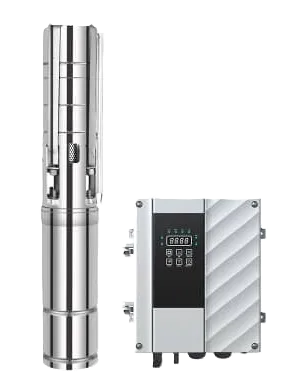
Two major mechanisms allow pumps to transport water: centrifugal action and positive displacement.
Centrifugal pumps are the most common type, especially in household, irrigation, and industrial systems. They use a rotating impeller to create centrifugal force. As the impeller spins rapidly, it pushes water outward toward the edges of the pump casing, increasing the water’s pressure and forcing it through the outlet. This continuous motion allows centrifugal pumps to deliver a steady, smooth flow of water and makes them ideal for applications that require constant pumping.
Positive displacement pumps, on the other hand, move water by trapping a fixed amount of fluid and physically pushing it through the system. This category includes diaphragm pumps, gear pumps, and piston pumps. Instead of spinning, these pumps operate through a mechanical action—such as squeezing, rotating gears, or sliding pistons—that displaces water in controlled amounts. Because they can handle thick, viscous, or dirty water with high pressure, positive displacement pumps are widely used in industrial and chemical applications.
To understand water pump operation more clearly, it helps to look at the key components that make them work. The impeller, found in centrifugal pumps, is a rotating fan-like part that transfers energy from the motor to the water. It is the heart of the pump. The pump casing surrounds the impeller, directing the flow of water and converting velocity into pressure. In submersible pumps, the casing is waterproof and designed to work deep underwater.
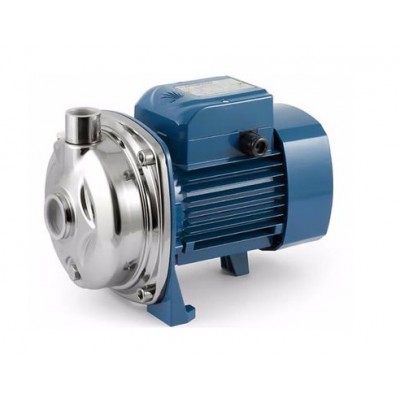
Another essential component is the motor, which powers the pump’s movement. Electric motors are common in residential pumps, while petrol or diesel engines are used where electricity is unavailable. The shaft connects the motor to the impeller or piston, transmitting rotational or mechanical energy. To prevent water from leaking into the motor, pumps use seals and bearings that protect the moving parts and ensure smooth operation.
The inlet and outlet ports control how water enters and exits the pump. The inlet is typically larger to allow smooth suction, while the outlet is designed to maintain pressure. Some pumps also include a priming chamber or require manual priming to remove air from the system before pumping begins. Without priming, a pump may run dry—a condition that can damage the internal components, especially in centrifugal pumps.
Many pumps also feature valves, particularly positive displacement types. These valves regulate the flow of water, ensuring it moves in the right direction and preventing backflow that could damage the pump. In advanced pumps, pressure switches, float switches, or automation controls help the pump turn on and off automatically based on water levels or pressure needs.
In summary, water pumps work by converting mechanical energy into hydraulic force, using centrifugal or positive displacement mechanisms to move water efficiently through pipes and systems. Their internal components—from impellers and casings to motors, shafts, valves, and seals—work together to ensure smooth, reliable operation. Understanding these mechanisms and parts makes it easier to select the right pump, operate it safely, and maintain it for long-lasting performance.
To see our available water pumps, Click here