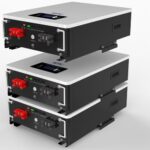
When it comes to solar systems, choosing the right battery is crucial for optimal performance and efficiency. Two popular options are Deep Cycle batteries and Lithium solar batteries. In this article, we will explore the differences between these two types of batteries, their advantages, and disadvantages, to help you decide which one is best for your solar system.
Deep Cycle Batteries
Deep Cycle batteries are lead-acid batteries designed for repeated deep discharging and recharging. They are a popular choice for solar systems due to their:
- Lower upfront cost
- Well-established manufacturing and recycling infrastructure
- Wide availability
However, Deep Cycle batteries also have some drawbacks:
- Limited lifespan (typically 5-7 years)
- Lower depth of discharge (DOD), resulting in reduced usable capacity
- Heavier and larger than Lithium batteries
Lithium Solar Batteries
Lithium solar batteries are a newer technology that offers several advantages over Deep Cycle batteries:
- Longer lifespan (typically 10-15 years)
- Higher DOD, resulting in more usable capacity
- Smaller and lighter design
- Improved efficiency and performance
However, Lithium batteries also have some disadvantages:
- Higher upfront cost
- Limited recycling infrastructure
- Potential thermal runaway risks (although rare)
Comparison and Conclusion
When deciding between Deep Cycle and Lithium solar batteries, consider the following factors:
- Budget: Deep Cycle batteries are more affordable upfront, while Lithium batteries offer long-term cost savings.
- Performance: Lithium batteries provide better efficiency and usable capacity.
- Lifespan: Lithium batteries last longer and require less maintenance.
- Space and weight constraints: Lithium batteries are smaller and lighter.