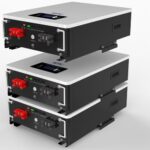
Deep cycle solar batteries are the backbone of off-grid and renewable energy systems, designed to store and supply consistent power over long periods. While they are highly reliable, these batteries can develop issues if not properly maintained or used. Understanding common problems and their solutions can help extend their lifespan and ensure optimal performance.
- Undercharging and Sulfation
One of the most frequent problems is undercharging. When a battery is not fully charged, lead sulfate crystals build up on the plates, a condition known as sulfation. This reduces capacity and efficiency over time. The fix is regular full charging using a quality solar charge controller. In some cases, an equalization charge (a controlled overcharge) can help break down mild sulfation. - Overcharging
Consistently overcharging a battery can cause excessive heat, electrolyte loss, and permanent plate damage. To prevent this, always use a charge controller with temperature compensation and automatic cut-off features. - Deep Discharge
Frequently draining a battery below recommended levels shortens its life. Most deep cycle batteries should not discharge below 50%. Installing a low-voltage disconnect device helps protect against harmful deep discharges. - Corroded Terminals
Corrosion at battery terminals can lead to poor connections and power loss. Cleaning the terminals with a mixture of baking soda and water, then applying petroleum jelly or anti-corrosion spray, prevents future buildup. - Stratification
In flooded lead-acid batteries, electrolyte stratification can occur when acid settles at the bottom, leaving the top diluted. This reduces overall performance. Gentle mixing through equalization charging or occasional physical agitation can correct this issue. - Temperature Extremes
Both extreme cold and heat negatively affect battery performance. Cold reduces capacity, while heat accelerates chemical reactions that damage internal components. Housing batteries in a ventilated, temperature-controlled enclosure helps mitigate these effects. - Aging and Capacity Loss
Over time, all batteries naturally lose capacity. Regular maintenance, avoiding deep discharges, and proper charging habits can slow this process, but eventual replacement is inevitable.
Deep cycle solar batteries are critical for reliable energy storage, but they require proper care. By addressing issues like undercharging, overcharging, corrosion, and temperature extremes, users can extend battery life and maintain efficiency. With routine maintenance and smart system design, these batteries can deliver years of dependable service in solar energy systems.