Insulation plays one of the most crucial roles in creating energy-efficient buildings. It acts as a barrier that helps regulate indoor temperatures by slowing down the movement of heat. Whether you are constructing a new building or upgrading an existing one, understanding the common insulation materials available and how they contribute to energy efficiency can help you make smarter choices that lead to lower energy billsvand improved sustainability.
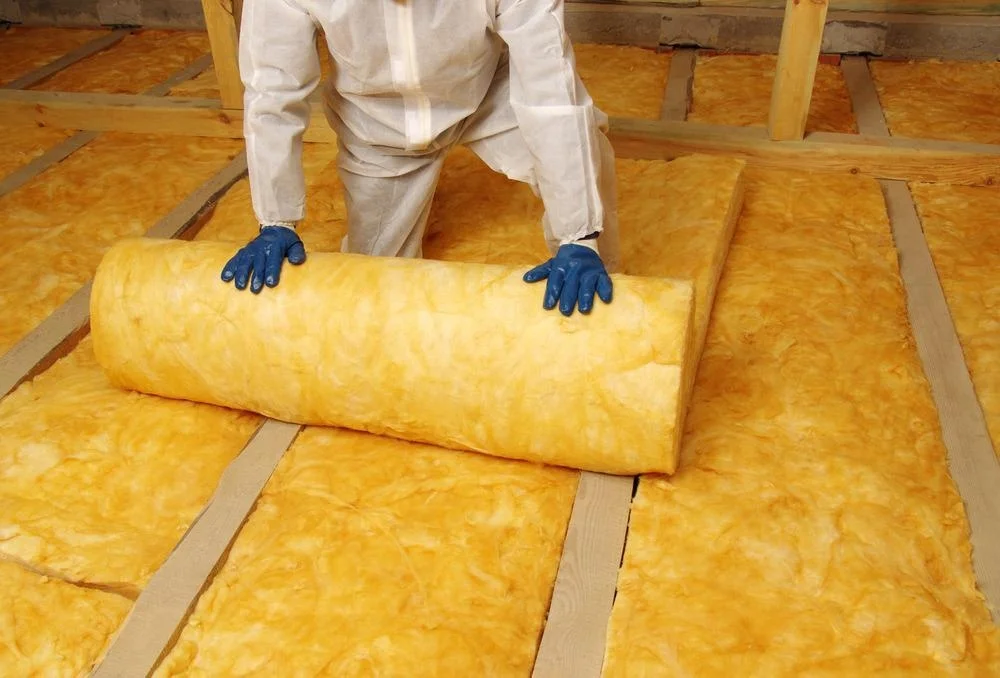
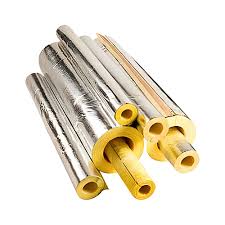
One of the most widely used insulation materials is fiberglass insulation. Made from tiny glass fibers, it is affordable, fire-resistant, and relatively easy to install. Fiberglass comes in batts, rolls, and loose-fill forms, making it suitable for walls, ceilings and crawl spaces. Its ability to slow down heat transfer helps maintain stable indoor temperatures, reducing the workload on heating and cooling systems. Despite being cost-effective, it offers strong thermal performance when installed correctly.
 Another popular option is spray foam insulation known for its superior air-sealing properties. It expands upon application, filling gaps, cracks and hard-to-reach spaces that other insulation materials might miss. Spray foam provides excellent thermal resistance (R-value), reduces air leakage, and minimizes drafts. By preventing conditioned air from escaping and blocking outdoor air from entering, spray foam significantly boosts HVAC efficiency and enhances overall energy savings.
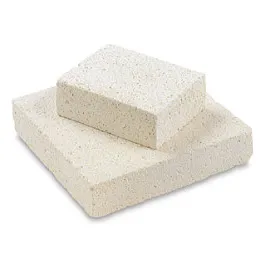
Mineral wool insulation, sometimes called rock wool or stone wool, is another effective material used in modern buildings. It is manufactured from natural rock or industrial slag and is recognized for its soundproofing and fire-resistant qualities. Mineral wool performs well in both high and low temperatures and does not absorb moisture, making it ideal for areas prone to humidity. Its dense structure helps reduce heat transfer while creating a quieter and more comfortable indoor environment.
For homeowners seeking an eco-friendly insulation option, cellulose insulation stands out. Made primarily from recycled paper, cellulose is treated with non-toxic fire retardants and installed as loose-fill or blown-in insulation. It provides solid thermal resistance and fills cavities more effectively than some batt materials. Because it reduces air gaps and enhances wall density, cellulose can significantly improve a building’s energy efficiency while also promoting sustainability through the use of recycled content.
Rigid foam boards, such as expanded polystyrene (EPS), extruded polystyrene (XPS), and polyisocyanurate (PIR), are commonly used in exterior walls, roofs, and foundation insulation. These boards have high R-values per inch and offer continuous thermal protection, minimizing thermal bridging—a common cause of energy loss in buildings. Their moisture resistance and durability make them suitable for areas exposed to high humidity or direct ground contact.
Lastly, reflective insulation and radiant barriers are used mainly in hot climates to reduce heat gain. They reflect radiant heat instead of absorbing it, making them ideal for attics and roofing systems. By lowering indoor temperatures during hot weather, these reflective materials help reduce the demand on air conditioning units.
Choosing the right insulation material can drastically enhance a building’s energy performance, reduce utility costs, and improve indoor comfort. Each insulation type comes with unique strengths, and the best choice often depends on climate, budget, and specific building needs.