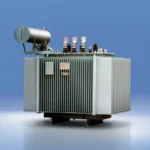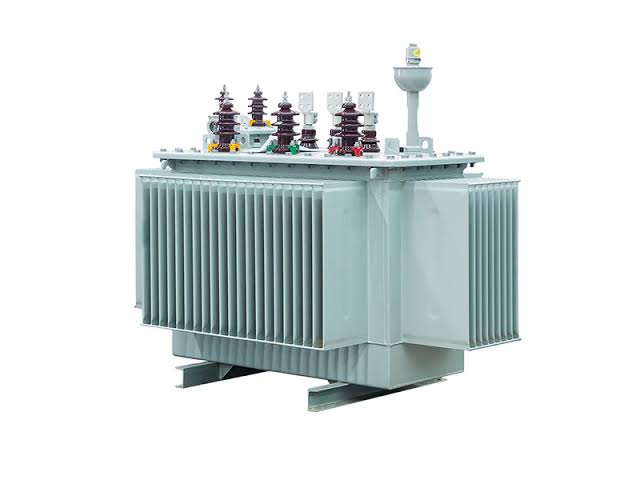
Transformers are designed to provide reliable service for decades.
Yet even the best transformer can fail if exposed to unfavorable conditions for long periods.
Understanding the common causes of transformer failure helps communities, businesses, and facility managers take preventive action before problems occur.
One of the most common causes is overloading.
Every transformer has a maximum load capacity. When this capacity is exceeded repeatedly, excessive heat is generated. Over time, this heat weakens insulation and reduces equipment lifespan.
Another major cause is poor maintenance.
Small issues such as oil leaks, loose connections, or blocked cooling systems may appear insignificant at first. However, if left unresolved, they can develop into serious faults.
Lightning strikes are another threat.
Power surges caused by lightning can damage transformer windings, insulation, and associated equipment if adequate protection systems are not installed.
Moisture is also a common enemy.
Water entering a transformer can reduce insulation effectiveness and increase the likelihood of electrical faults.
This is particularly important during rainy seasons when flooding and high humidity become more common.
Aging is another factor.
Even under ideal conditions, transformer materials gradually deteriorate over time. Insulation systems, seals, and cooling components all experience wear as years pass.
Poor grounding can also contribute to transformer failure.
Without a proper grounding system, fault currents and voltage surges may cause extensive equipment damage.
Unauthorized electrical connections place additional stress on transformers by increasing demand beyond planned levels.
Common warning signs that may indicate developing problems include:
-Unusual humming sounds
-Overheating
-Oil leakage
-Frequent outages
-Voltage fluctuations
-Burning odors
Ignoring these signs can allow minor problems to become major failures.
The good news is that many transformer failures are preventable.
Proper maintenance, load management, lightning protection, grounding, and routine inspections can significantly improve reliability.
Transformers rarely fail without reason.
In many cases, failure is the final stage of a problem that has been developing for months or even years.
Understanding these causes helps communities protect one of their most important electrical assets.
Visit Energymall.ng and shop for your transformers and transformer accessories today!