Nigeria’s lighting industry is a complex and dynamic sector that plays a critical role in the country’s economic development. Despite its importance, the industry faces numerous challenges that hinder its growth and potential. However, these challenges also present opportunities for innovation, investment, and growth. In this article, we’ll explore the challenges and opportunities in Nigeria’s lighting industry and examine the ways in which stakeholders can work together to drive progress and development.
Challenges in Nigeria’s Lighting Industry
Nigeria’s lighting industry faces several challenges that affect its growth and development. Some of the most significant challenges include:
- Inadequate Infrastructure: Nigeria’s power grid is inadequate, and the country experiences frequent power outages. This makes it difficult for lighting manufacturers to operate efficiently and for consumers to access reliable lighting.
- High Cost of Production: The cost of production in Nigeria’s lighting industry is high due to the cost of raw materials, labor, and energy. This makes it difficult for manufacturers to compete with imported products.
- Limited Access to Finance: Many lighting manufacturers in Nigeria struggle to access finance to invest in their businesses. This limits their ability to expand their operations and improve their products.
- Counterfeit Products: The Nigerian market is flooded with counterfeit lighting products that are often of poor quality and can be hazardous to consumers.
Opportunities in Nigeria’s Lighting Industry
Despite the challenges, Nigeria’s lighting industry presents several opportunities for growth and development. Some of the most significant opportunities include:
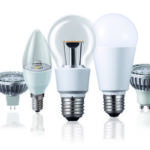
- Growing Demand for Energy-Efficient Lighting: There is a growing demand for energy-efficient lighting solutions in Nigeria, driven by the need to reduce energy consumption and mitigate the impact of climate change.
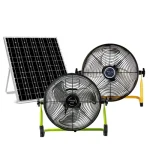
- Increasing Investment in Renewable Energy: The Nigerian government is investing heavily in renewable energy, including solar and wind power. This presents opportunities for lighting manufacturers to develop products that are compatible with renewable energy sources.
- Growing Middle Class: Nigeria’s middle class is growing rapidly, and this presents opportunities for lighting manufacturers to develop products that meet the needs of this demographic.
- Government Initiatives: The Nigerian government has introduced several initiatives to support the development of the lighting industry, including tax incentives and subsidies for manufacturers.
Strategies for Overcoming Challenges and Capitalizing on Opportunities
To overcome the challenges and capitalize on the opportunities in Nigeria’s lighting industry, stakeholders must work together to develop effective strategies. Some of the strategies that can be employed include:
- Investing in Infrastructure: Investing in infrastructure, including power generation and distribution, can help to address the challenge of inadequate infrastructure.
- Developing Local Manufacturing Capacity: Developing local manufacturing capacity can help to reduce the cost of production and make Nigerian lighting products more competitive.
- Improving Access to Finance: Improving access to finance can help to support the growth and development of lighting manufacturers in Nigeria.
- Enhancing Quality and Standards: Enhancing quality and standards can help to address the challenge of counterfeit products and ensure that Nigerian lighting products meet international standards.