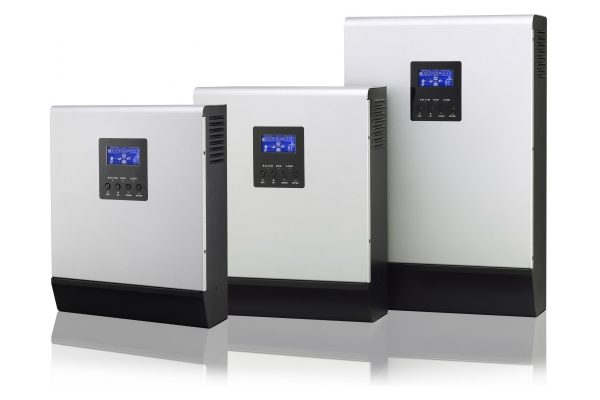
A solar charge controller is an important component in any solar power system that uses batteries for energy storage. It is a device placed between the solar panels and the battery bank to regulate the voltage and current flowing into the batteries. Its main purpose is to protect the batteries from damage caused by overcharging or excessive discharge.
Solar panels generate electricity when sunlight hits their photovoltaic cells. However, the electricity produced by solar panels is not always consistent. The voltage and current can vary depending on sunlight intensity, temperature, and other environmental factors. If this uncontrolled electricity flows directly into the batteries, it can lead to serious problems such as overheating, battery swelling, reduced battery lifespan, or complete battery failure. This is where a charge controller becomes essential.
The charge controller ensures that the batteries receive the correct amount of electrical energy during the charging process. When the batteries reach their full charge level, the controller automatically reduces or stops the flow of electricity from the solar panels. This prevents overcharging, which is one of the main causes of battery damage.
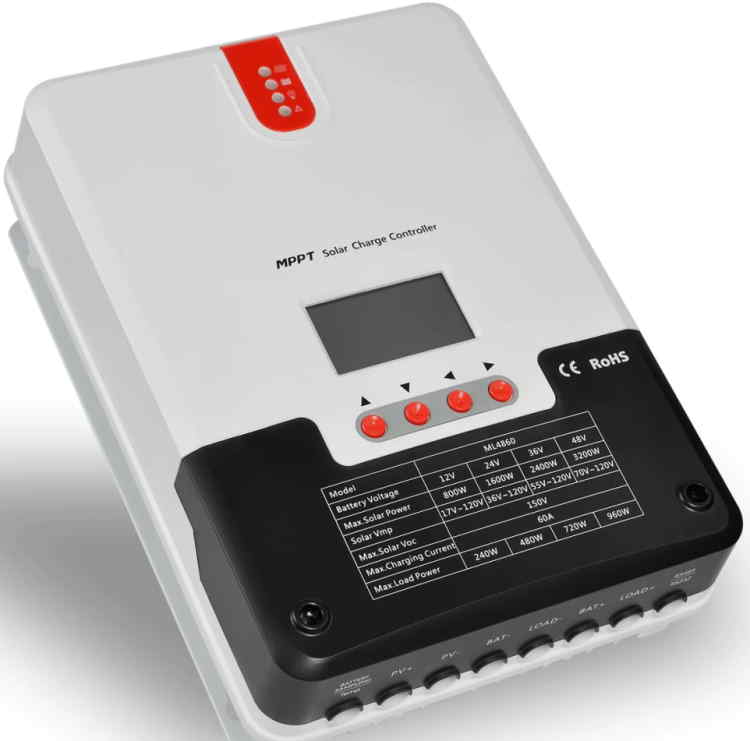
Another important role of a charge controller is preventing reverse current flow. At night or when there is little sunlight, solar panels can actually draw power from the batteries instead of supplying power. Without a charge controller, the stored energy in the batteries could flow back into the solar panels, causing energy loss. The charge controller prevents this reverse flow, helping to preserve stored energy.
Charge controllers also protect batteries from deep discharge. Deep discharge occurs when batteries are drained below their safe voltage level. When this happens repeatedly, the battery capacity decreases over time. Many charge controllers include a feature called low-voltage disconnect, which automatically stops power from leaving the battery when the voltage drops too low. This helps prolong the life of the battery.
In addition to protection, modern charge controllers improve the efficiency of solar power systems. They ensure that the batteries are charged properly and efficiently by adjusting the charging stages. Most charge controllers use multiple charging stages such as bulk charging, absorption charging, and float charging. Each stage helps charge the battery safely while maintaining its health.
Charge controllers are widely used in residential solar systems, solar street lighting, telecommunications equipment, off-grid power systems, and backup power installations. Without them, solar batteries would degrade quickly, making the system unreliable and expensive to maintain.
Another advantage of modern charge controllers is their ability to provide monitoring and control features. Many advanced models include digital displays or remote monitoring systems that allow users to track system performance, battery voltage, charging current, and energy production.
In summary, a solar charge controller plays a critical role in protecting batteries, regulating energy flow, and improving the efficiency of solar power systems. By preventing overcharging, deep discharge, and reverse current, the device ensures that the battery bank remains healthy and reliable for a long period of time. As solar energy continues to grow in popularity, charge controllers remain one of the most essential components in maintaining safe and efficient solar installations.