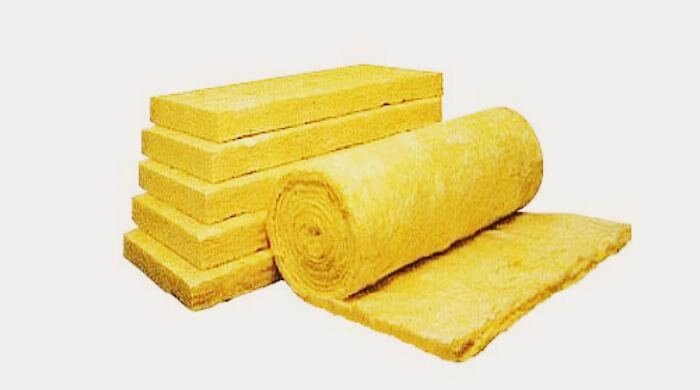
Thermal insulation is one of the most essential components of modern construction, helping buildings stay energy-efficient, comfortable, and cost-effective to maintain. At its core, thermal insulation works by slowing down the movement of heat. Heat naturally flows from warmer areas to cooler ones, and without insulation, it would easily escape a building during cold seasons or penetrate it during hot seasons. By creating a barrier that resists heat flow, insulation helps maintain stable indoor temperatures while reducing the load on heating and cooling systems.
The science behind thermal insulation is based on reducing heat transfer through conduction, convection, and radiation. Most insulation materials trap still air within their structure. Because air is a poor conductor of heat, it significantly slows down conduction. Some materials also limit convection by creating tightly packed fibers or foam structures that reduce the movement of warm or cool air. Others use reflective surfaces to minimize radiant heat transfer, especially in hot climates where solar heat gain is a major concern.
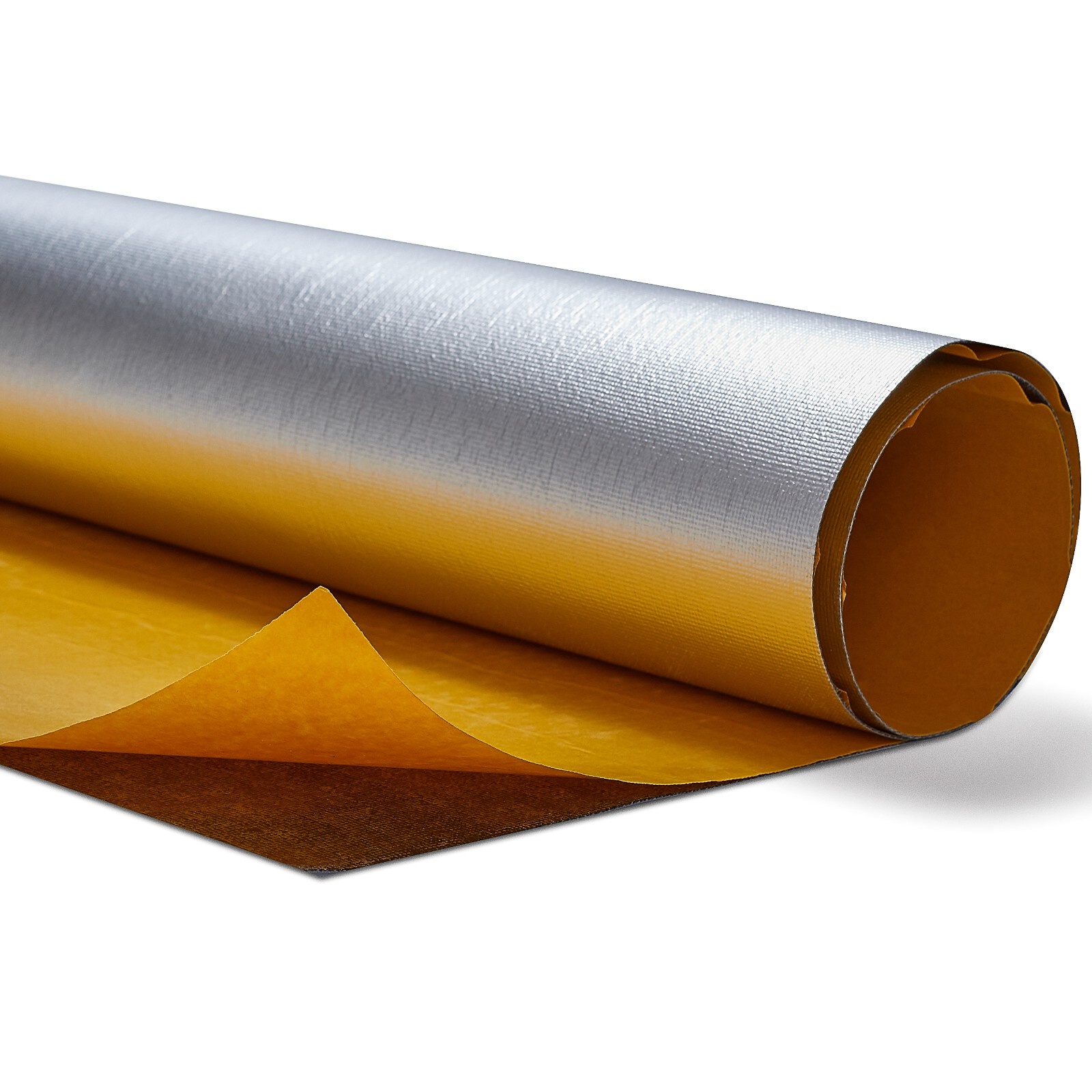
One of the most commonly used insulation materials is fiberglass. It is made of fine glass fibers arranged to create tiny pockets of trapped air. Fiberglass is affordable, fire-resistant, and effective for walls, ceilings, attics, and floors. Its thermal performance depends on its density and thickness, making it a reliable choice for both residential and commercial buildings.
Another important material is spray foam insulation, which expands to fill gaps, cracks, and cavities. Because it creates an airtight seal, spray foam prevents drafts and air leakage—two major causes of energy loss. It offers a high R-value, meaning superior resistance to heat flow. Spray foam is commonly applied in attics, wall cavities, and around windows and doors where precision air-sealing is required.
Mineral wool, also known as rock wool or stone wool, is another high-performing insulation material. It is produced from volcanic rock or industrial slag and is valued for its fire resistance, soundproofing abilities, and moisture resistance. Mineral wool is widely used in walls, acoustic partitions, and high-temperature environments such as mechanical rooms.
Rigid foam boards, including polystyrene and polyisocyanurate, offer excellent insulation with high R-values per inch. They are ideal for external wall sheathing, roofing systems, basements, and areas where continuous insulation is necessary to eliminate thermal bridging.
In hot climates, radiant barriers and reflective insulation are essential for reducing heat gain. These materials reflect radiant energy rather than absorbing it, making them especially useful in attics and under roof decks.
By selecting the right insulation materials and applying them correctly, builders can significantly enhance a building’s energy efficiency, indoor comfort, and long-term durability.