Rising temperatures get blamed for everything these days, and climate change is certainly part of the picture worth taking seriously.
But talk to anyone who has lived in the same house for over a decade, and they will tell you something else is going on too: newer buildings feel noticeably hotter than older ones, even standing in the same neighborhood under the same sun.
Part of this comes down to construction trends that have shifted over the past fifteen to twenty years.
Modern builds increasingly favour materials and design choices—larger glass windows for a modern look, thinner roofing sheets to cut costs, minimal or completely absent ceiling insulation—that were chosen for upfront cost or aesthetic appeal rather than thermal performance over the life of the building.
A house built with these choices absorbs and holds heat far more aggressively than older builds with thicker walls, higher ceilings, and more shaded verandah design that architects used to include as standard.
The result is homes that feel like ovens by mid-afternoon regardless of what the weather forecast actually says outside, because the building itself has become part of the problem rather than a shelter from it.
Rising outdoor temperatures make a poorly insulated house measurably hotter inside than a well-insulated house barely notices the difference between a 32-degree day and a 38-degree day.
Window-to-wall ratio plays a bigger role in this than most homeowners realize when signing off on architectural plans.
Large glass facades look striking in renders and photographs, but glass transfers heat far more readily than a properly insulated wall, turning a beautiful design feature into a constant source of unwanted heat gain that no amount of curtains or blinds can fully offset once the sun is directly hitting it.
This is a fixable problem, but it requires treating insulation as a construction essential decided early, rather than an optional add-on considered at the end of a building project when the budget has already been stretched thin by everything else.
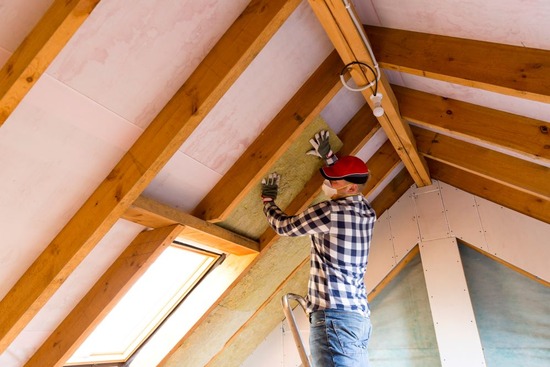
For homes already built without it, retrofitting roof and ceiling insulation remains one of the most direct and cost-effective ways to undo the damage of heat-trapping design choices made years earlier.
Orientation compounds all of this further.
A home with its largest windows and widest wall surfaces facing directly west catches the harshest afternoon sun for hours on end, a detail that is rarely considered during the design phase but has an outsized impact on how hot a house feels by evening. Insulation cannot change which direction a house faces, but it can significantly blunt the impact of that orientation choice once it has already been built and cannot easily be undone, which matters most for the west-facing rooms that tend to run hottest in any given home.
EnergyMall works with both new builds and retrofits, because the fix is essentially the same either way: stop the heat from getting into the building in the first place, rather than fighting it once it has already arrived.
For anyone currently at the design stage of a new build, this is the cheapest possible point to get insulation right, well before roofing and ceiling work is finished and the option becomes a far more disruptive and expensive retrofit later, once walls are plastered and ceilings are closed up.
Roofing material choice adds another layer worth understanding before blaming the weather alone.
Thin gauge aluminium and corrugated iron sheets, chosen widely because they are the cheapest roofing option available, conduct and re-radiate heat far more aggressively than thicker or coated alternatives.
Pairing a thin roof with no insulating layer underneath essentially turns the entire ceiling void into a heat reservoir that empties directly into the rooms below for hours after sunset, which is exactly why so many homes still feel warm long after the sun itself has gone down.