As solar energy continues to gain popularity across Nigeria, one of the key components that determine system performance is the battery. Among the most commonly used storage options are deep cycle batteries which have powered solar systems for decades. However, with newer technologies like lithium batteries entering the market, many Nigerians are wondering, are deep cycle batteries still worth it? To answer that, it’s important to understand what they are, how they work, and their advantages and limitations.
1. What Are Deep Cycle Batteries?
Deep cycle batteries are specially designed to provide a steady supply of power over long periods. Unlike car batteries that deliver short bursts of high energy for engine ignition, deep cycle batteries discharge energy slowly and can be recharged repeatedly without getting damaged. This makes them ideal for solar power systems, inverters, and off-grid setups.
There are different types of deep cycle batteries, including flooded lead-acid, AGM (Absorbent Glass Mat), and gel batteries. Each type has unique characteristics — flooded batteries are the most affordable but require regular maintenance, while AGM and gel batteries are sealed and more durable, offering convenience at a slightly higher price.
2. Why Deep Cycle Batteries Are Still Popular
Deep cycle batteries remain popular in Nigeria primarily because of their affordability and accessibility. They are easy to find, relatively cheap to replace, and compatible with most solar installations. For homeowners who want a reliable backup solution without spending too much upfront, deep cycle batteries offer a practical option.
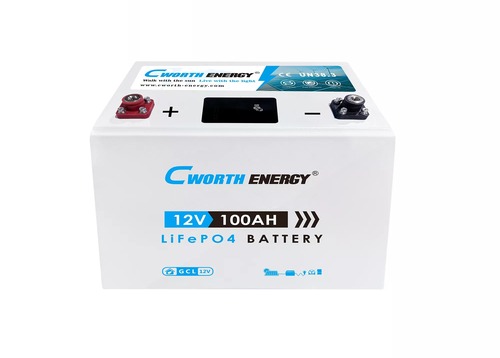
They also perform well in moderate power systems, especially for households that only need to run basic appliances like lighting, fans, and televisions. Many users also prefer them because local technicians are familiar with their maintenance and installation processes, ensuring easier support and repairs.
3. The Downsides to Consider
Despite their usefulness, deep cycle batteries have several limitations. The most notable is their shorter lifespan which is typically around 3 to 5 years, compared to 10 to 15 years for lithium batteries. They also have a lower depth of discharge (DoD), meaning you can only use about 50–60% of their capacity before needing to recharge. Using them beyond this point can reduce performance and shorten their life even more.
Additionally, deep cycle batteries are heavier, bulkier, and often require regular maintenance, especially the flooded types that need water refilling and terminal cleaning. In hot Nigerian climates, they can also degrade faster if not properly ventilated.
4. Are They Still Worth It?
The answer depends on your needs and budget. For homeowners looking for an affordable short-term solution, deep cycle batteries remain a solid choice — especially if they’re only powering light household loads or using solar energy as backup. However, for those who want long-term efficiency, minimal maintenance, and higher performance, lithium batteries are the better investment.
Deep cycle batteries have served Nigerian homes reliably for years and still play an important role in solar energy storage. They are cost-effective for smaller systems and users on a budget. Yet, as technology advances and lithium prices gradually drop, deep cycle batteries are slowly becoming a transitional solution rather than a long-term one. Ultimately, they’re still worth it but only if you understand their limitations and use them within their capacity.
To see our available deep cycle batteries, Click here