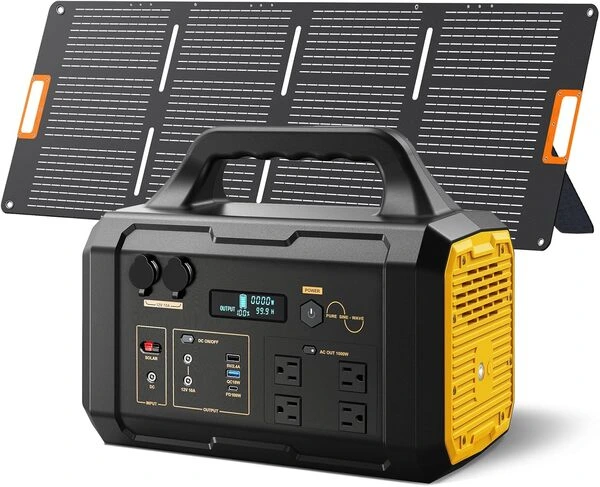
Portable power stations have become increasingly popular as households look for flexible, quiet, and eco-friendly alternatives to generators. These compact battery-powered units store electricity and deliver clean, stable power to various devices during outages, outdoor activities, or situations where grid access is limited. However, while portable power stations are incredibly useful, they do have limitations. Knowing what they can and cannot power helps homeowners make informed decisions, avoid overloading their units, and choose the right model for their needs.
Portable power stations work by storing energy in high-capacity lithium batteries and supplying electricity through built-in AC outlets, USB ports, and DC sockets. They are especially useful during power outages when essential devices need to stay operational, such as lights, fans, phones, routers, or laptops. With no fumes, noise, or fuel requirements, portable power stations offer a clean and convenient alternative to petrol or diesel generators. But their performance depends largely on two factors: battery capacity (measured in watt-hours, Wh) and inverter size (measured in watts). Together these determine which appliances the power station can run and for how long.
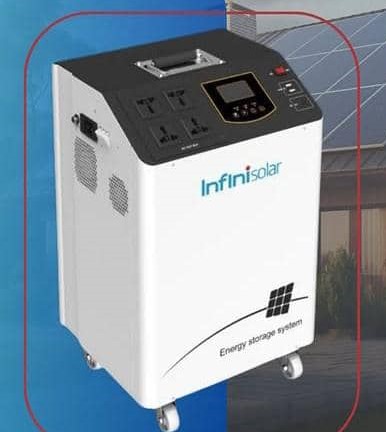 In general, portable power stations excel at powering low- and medium-wattage household appliances, especially those without motors or heating elements. These include essentials such as smartphones, tablets, laptops, Wi-Fi routers, LED bulbs, desk fans, rechargeable lamps, and small medical devices like CPAP machines. Even mid-range electronics like televisions, game consoles, and sound systems can run comfortably on most portable power stations, provided the wattage does not exceed the station’s rated output. Small kitchen appliances like blenders, electric kettles, or microwaves may run on larger power stations, but only for short periods because they consume high amounts of energy.
Portable power stations also work well for appliances that operate intermittently or consume low steady power. For example, a low-wattage mini-fridge, portable freezer, or energy-efficient fan can run for several hours on a mid-size 500Wh to 1000Wh unit. Modern energy-efficient appliances are increasingly compatible with portable power stations, making them suitable for temporary household use during outages. Home offices also benefit significantly from portable power stations, as they can support multiple low-watt devices simultaneously—laptops, monitors, printers, and routers—without strain.
However, not all appliances are suitable for portable power stations, and this is where many users run into problems. Appliances with heating elements—such as electric irons, hot plates, kettles, heaters, or electric cookers—consume very high wattage, often between 1200W and 2000W. Only very large power stations can handle these loads, and even then, the battery would drain extremely quickly. Similarly, appliances with compressors or motors, such as full-size refrigerators, air conditioners, washing machines, and water pumps, require substantial starting power known as surge wattage. This surge can be two to three times the appliance’s normal running load, which can easily overload or shut down smaller power stations.
Air conditioners, in particular, are among the appliances that portable power stations struggle to power. A small 1HP AC may run on a 2000W or 3000W power station, but the runtime will be short because of the heavy energy consumption. Washing machines and microwaves also present challenges because their power draw fluctuates throughout their cycles. Large heating appliances like electric stoves or water heaters are almost always incompatible and should be avoided.
To determine whether a portable power station can power a specific home appliance, users should check both the running wattage and surge wattage of the appliance. The running wattage must not exceed the station’s continuous output rating, and the surge wattage must fall within the station’s peak load capacity. Additionally, users should consider the watt-hour capacity to estimate runtime. For instance, a 500Wh power station running a 100W fan will last approximately four to five hours after accounting for inverter efficiency, but the same station powering a 700W blender may only last minutes.
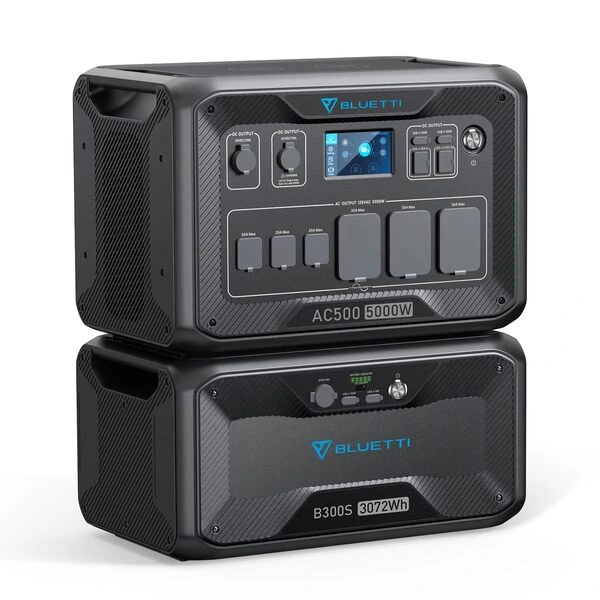
It is also important to remember that portable power stations are designed for temporary or emergency use rather than long-term household power supply. Their greatest strengths lie in portability, convenience, silent operation, and compatibility with solar panels. They provide clean power for essential devices but are not meant to replace full-sized generators or inverters for heavy household loads. For households with frequent outages, portable power stations serve best as backup solutions for communication, lighting, and essential electronics.
In conclusion, portable power stations are versatile tools capable of powering a wide range of low- and medium-wattage home appliances, making them invaluable during outages, travel, and outdoor activities. However, they have clear limitations when it comes to high-wattage, heat-producing, or motor-driven appliances. By understanding the wattage requirements of home devices and matching them with the appropriate power station capacity, users can maximize performance, avoid damage, and choose the right unit for their lifestyle. If you’d like, I can also create a chart comparing which appliances different power station sizes (300Wh, 500Wh, 1000Wh, 2000Wh) can power.
To see more of our Solar generators, inverters or panels, Visit Energymall