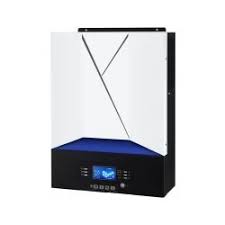
A solar inverter is the heart of your solar power system, converting DC power from your panels into usable AC electricity. Just like any high-performance equipment, it needs regular maintenance to operate efficiently and last longer. However, working on an inverter involves high-voltage components, so safety must come first. By following these maintenance safety tips, you can protect yourself and extend the lifespan of your solar inverter.
- Always Power Down Before Maintenance
Before opening or touching the inverter, completely shut it down according to the manufacturer’s instructions. This usually involves switching off the AC and DC isolators. Never attempt maintenance while the system is live, as it could result in electric shock or arc flash.
- Use Proper Personal Protective Equipment (PPE)
Wear insulated gloves, safety glasses, and flame-resistant clothing when performing checks or cleaning. For rooftop installations, secure yourself with a safety harness. PPE is your first line of defense against electrical hazards and physical injuries.
- Keep the Inverter Clean and Well-Ventilated
Dust, debris, and pests can block ventilation grills, causing the inverter to overheat. Regularly inspect the unit for dirt buildup and clean it using a dry cloth or soft brush—never water or wet cleaning agents. Ensure the inverter has enough airflow around it to dissipate heat.
- Inspect for Loose or Damaged Connections
Loose terminals or frayed wires can lead to overheating and electrical faults. During scheduled maintenance, check all electrical connections with insulated tools and tighten them to the manufacturer’s torque specifications. Replace any damaged cables immediately.
- Monitor for Unusual Noises or Odors
A burning smell, buzzing sound, or unusual vibration could indicate an internal fault. If you notice these signs, switch off the inverter and contact a certified technician immediately. Ignoring these early warnings can lead to costly repairs or even fire hazards.
- Protect Against Moisture and Corrosion
Water ingress is a common cause of inverter failure. Ensure weatherproof seals remain intact, especially for outdoor units. For coastal areas, check for signs of corrosion and apply protective coatings if recommended by the manufacturer.
- Perform Regular Software and Firmware Updates
Some modern inverters require firmware updates to maintain optimal performance. Follow the manufacturer’s guidance or have a qualified installer perform updates to avoid compatibility issues.
- Keep Records of Maintenance Activities
Documenting inspection dates, issues found, and repairs done helps track the inverter’s performance history. This information is valuable for warranty claims and preventive maintenance planning.