Outdoor lighting in Nigeria is more than just an aesthetic choice; it’s a vital component of security, functionality, and curb appeal for homes and businesses alike. However, the unique challenges of the Nigerian climate – from intense sun and heat to torrential rainy seasons and dusty harmattan winds – demand specific considerations for both installation and maintenance.
This guide will walk you through the essential steps to ensure your outdoor lighting system not only looks great but also performs reliably and safely for years to come.
Phase 1: Installation – Building for Resilience
Proper installation is the bedrock of a long-lasting outdoor lighting system, especially in a demanding climate.
- Strategic Planning & Design:
Purpose First: Define what each light will do (security, pathway, accent, ambiance). This dictates brightness (lumens), beam angle, and type of fixture.
Layout and Coverage: Map out where lights are needed. Consider overlapping light cones for even illumination and to eliminate dark spots that can be security risks.
Power Source: Decide between grid-tied (requiring wiring) or solar-powered solutions.
For Grid-Tied: Plan conduit routes, switch locations, and ensure easy access for maintenance.
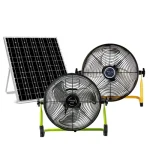
For Solar: Identify spots with maximum direct sunlight exposure for solar panels throughout the day. Avoid shaded areas.
Fixture Selection: Choose lights with appropriate IP (Ingress Protection) ratings for the Nigerian climate. IP65 is a minimum; IP66 or IP67 is highly recommended for areas exposed to heavy rain or potential water jets (e.g., during washing).
- Choosing the Right Materials & Fixtures:
Corrosion Resistance: Opt for fixtures made from robust, corrosion-resistant materials like cast aluminum, marine-grade stainless steel, or high-quality ABS plastic. Avoid cheaper metals that will rust quickly.
LED Technology: Always choose LED lights. They are energy-efficient, durable, and less susceptible to heat damage than traditional bulbs.
Wiring (for Grid-Tied Systems):
Use UV-resistant, waterproof cables designed for outdoor burial (e.g., armoured cables where appropriate) or suitable for conduit.
Ensure all cable connections are made with waterproof connectors or housed in sealed junction boxes.
Bury cables at a sufficient depth (minimum 6-12 inches) to protect them from accidental digging, lawnmowers, and rodents. Use flexible conduit for added protection.
- Professional Installation is Key (Especially for Grid-Tied):
Hire a Qualified Electrician: For any grid-tied outdoor lighting, always engage a certified and experienced electrician in Nigeria. They understand local electrical codes, proper grounding techniques, and safe wiring practices crucial for preventing electrocution and short circuits.
Proper Grounding: Ensure all outdoor fixtures are correctly grounded to prevent electrical shocks, especially critical in wet conditions.
Mounting Stability: Securely mount all fixtures to walls, eaves, or sturdy poles. High winds during storms can dislodge poorly installed lights. Use appropriate anchors for the surface material.
Height Considerations:
Security Lights: Install high enough to spread light effectively and deter tampering (e.g., 8-15 feet).
Pathway Lights: Low enough to illuminate the path without glare (e.g., 1-3 feet).
- Solar Light Specifics:
Panel Orientation: Mount solar panels facing true south (in the Northern Hemisphere, which includes Nigeria) at an angle that maximizes sunlight capture throughout the day, even during different seasons.
Unobstructed Exposure: Ensure no trees, buildings, or other obstructions will shade the solar panel, especially during peak sunlight hours.
Battery Protection: While many solar lights have integrated batteries, ensure they are well-sealed and protected from extreme heat and direct water exposure.
Phase 2: Maintenance – Enduring the Elements
Regular and proactive maintenance is essential to combat the effects of the Nigerian climate and ensure your outdoor lighting system remains functional and efficient.
- Routine Cleaning:
Dust and Dirt: The Harmattan season brings significant dust. Regularly wipe down lenses, solar panels, and fixture housings with a damp cloth to remove dust, dirt, and grime. Accumulations on lenses reduce light output, and on solar panels, they drastically reduce charging efficiency.
Insect and Cobweb Removal: Inspect for insect nests and cobwebs, which can obstruct light and cause overheating.
Frequency: Aim for cleaning at least once a month, or more frequently during Harmattan or after heavy dust storms.
- Inspect for Physical Damage:
Corrosion: Check for signs of rust or corrosion on metal parts, especially near coastal areas. Treat minor corrosion with appropriate rust inhibitors or paints.
Cracked Lenses/Housing: Inspect for cracks in glass or plastic lenses and housing. Even small cracks can allow water ingress, leading to electrical faults. Replace damaged components promptly.
Loose Mountings: High winds can loosen fixtures. Periodically check that lights are securely mounted and tighten screws if necessary.
Cable Integrity (Grid-Tied): Occasionally inspect exposed sections of cable for rodent damage, fraying, or degradation from UV light. Address any issues immediately.
- Electrical Checks (for Grid-Tied Systems):
Connections: Annually, have your electrician check connections in junction boxes for tightness and signs of corrosion.
Ground Fault Circuit Interrupters (GFCIs): Test GFCI outlets regularly (monthly) to ensure they are functioning correctly, providing vital protection against electrical shocks.
Bulb Replacement: While LEDs have long lifespans, if a bulb does fail, ensure you replace it with an identical or compatible LED type.
- Solar Light Specific Maintenance:
Solar Panel Cleaning: This is paramount. A dirty panel cannot charge the battery efficiently. Clean them with water and a soft cloth, avoiding abrasive cleaners.
Battery Health: While most modern solar lights have sealed batteries, if you have a system with accessible batteries, check their terminals for corrosion. Be aware that over time, even good quality batteries may degrade and require replacement (typically every 3-5 years) to maintain optimal light duration.
Debris Removal: Ensure no leaves, branches, or other debris are accumulating on or around the solar panel.
- Vegetation Management:
Trim Foliage: Regularly trim trees, shrubs, and other vegetation that might obstruct light beams or shade solar panels. Overgrown plants can also provide cover for intruders.
Clear Pathways: Ensure path lights are not being overgrown by grass or shrubs.
- Addressing Water Issues:
Drainage: Ensure the ground around in-ground lights has proper drainage to prevent water accumulation.