Imagine waking up to the sound of birds chirping outside your window, and as you begin your day, your home is powered by the sun’s energy. This is made possible by a crucial component in solar power systems: the inverter. In this article, we’ll dive into the world of non-hybrid inverters, exploring how they work, their benefits, and where to use them.
What is a Non-Hybrid Inverter?
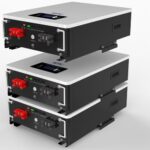
A non-hybrid inverter, also known as a standard or traditional inverter, is a device that converts DC (direct current) power generated by solar panels or other sources into AC (alternating current) power, which is usable in homes, businesses, and the grid. Unlike hybrid inverters, non-hybrid inverters do not have built-in battery storage capabilities.
How Do Non-Hybrid Inverters Work?
The process is quite straightforward:
- Solar panels generate DC power: Solar panels convert sunlight into DC electricity.
- Inverter converts DC to AC: The non-hybrid inverter converts the DC power into AC power, making it usable for electrical devices.
- Power is fed into the grid or used locally: The AC power is either fed into the grid, offsetting your energy consumption, or used directly in your home or business.
Benefits of Non-Hybrid Inverters
- Cost-effective: Non-hybrid inverters are often less expensive than hybrid inverters, making them a more affordable option for those looking to harness solar energy.
- Simple installation: With fewer components, non-hybrid inverters are relatively easy to install and maintain.
- Reliability: Non-hybrid inverters have a proven track record of reliability, providing years of service with minimal downtime.
Where to Use Non-Hybrid Inverters
- Grid-tied solar systems: Non-hybrid inverters are ideal for grid-tied solar systems, where excess energy is fed back into the grid.
- Residential solar installations: Non-hybrid inverters are suitable for residential solar installations, providing a cost-effective solution for homeowners looking to reduce their energy bills.
- Commercial solar installations: Businesses can also benefit from non-hybrid inverters, especially those with consistent energy demands.
Things to Consider
- No backup power during outages: Non-hybrid inverters do not provide backup power during grid outages, so you’ll need to consider alternative solutions if you need uninterrupted power.
- No energy storage: Without built-in battery storage, non-hybrid inverters rely on the grid to store excess energy.