The solar inverter has come a long way since its inception. What started as a simple DC converter has evolved into a sophisticated smart hybrid system that enables efficient, reliable, and grid-friendly solar energy production.
The Early Days of Solar Inverters
The first solar inverters were simple DC converters that converted DC power from solar panels into AC power for household use. These early inverters were basic, inefficient, and often unreliable. However, they paved the way for the development of more advanced technologies.
The Advent of Advanced Inverters
As the solar industry grew, so did the demand for more efficient and reliable inverters. The introduction of advanced inverters with features like Maximum Power Point Tracking (MPPT) and grid synchronization enabled solar panels to produce more energy and integrate seamlessly with the grid.
The Rise of Smart Inverters
The next significant leap in inverter technology was the development of smart inverters. These inverters can monitor and control energy production in real-time, optimize energy output, and even predict energy demand. Smart inverters have enabled solar energy systems to become more efficient, reliable, and grid-friendly lighting and other smart home devices.
The Advent of Hybrid Inverters
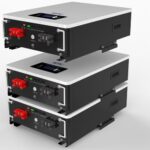
The latest innovation in solar inverter technology is the hybrid inverter. These inverters can manage multiple energy sources, including solar panels, batteries, and the grid. Hybrid inverters enable homeowners to store excess energy in batteries, reducing their reliance on the grid and providing backup power during outages.
The Benefits of Hybrid Inverters
Hybrid inverters offer numerous benefits, including:
- Increased energy independence: Homeowners can generate and store their own energy, reducing their reliance on the grid.
- Improved energy resilience: Hybrid inverters can provide backup power during outages, ensuring that critical systems remain operational.
- Enhanced energy efficiency: By optimizing energy production and storage, hybrid inverters can reduce energy waste and lower energy bills.
The Future of Solar Inverters
As the solar industry continues to evolve, we can expect to see even more innovative inverter technologies. Some potential developments include:
- Artificial intelligence and machine learning: Inverters that can learn and adapt to changing energy demand and production patterns.
- Grid-forming inverters: Inverters that can create a stable grid frequency and voltage, enabling the widespread adoption of renewable energy.
- Advanced battery management: Inverters that can optimize battery performance and extend battery lifespan.