
In regions where air conditioning remains economically or infrastructurally out of reach, the electric fan provides essential thermal comfort that prevents heat-related illness and enables sleep during hot periods. Even in air-conditioned homes, fans improve comfort efficiency by enhancing evaporative cooling and distributing conditioned air more evenly throughout rooms.
Ceiling fans provide whole-room air circulation with remarkably low energy consumption—typically 15 to 90 watts compared to 900 to 3,500 watts for air conditioners. Their elevated position keeps them out of the way, while reversible motor directions serve different seasons. Counter clockwise rotation creates cooling breezes in summer. Clockwise rotation at low speed gently recirculates warm air that rises to the ceiling during winter, reducing heating costs. Proper sizing matters: 36-inch blades for small rooms, 52 inches for standard rooms, 60+ inches for large living areas.
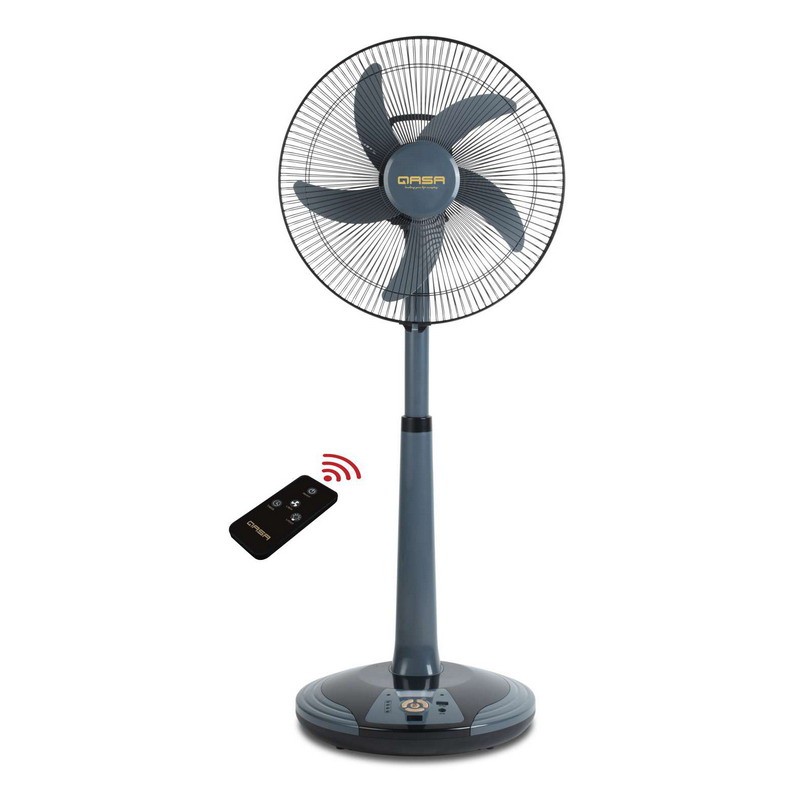
Pedestal and tower fans offer portable, directional cooling for specific people or areas. Oscillation distributes airflow across broader zones. Tilt adjustment directs air upward or downward as needed. Variable speed settings range from gentle circulation for sleeping to aggressive cooling for post-exercise recovery. Remote controls and programmable timers let you adjust operation without getting up—valuable for bedrooms, elderly users, or anyone settling in for the night.
Exhaust fans serve ventilation rather than cooling functions, removing moisture, cooking odors, smoke, and pollutants from kitchens, bathrooms, workshops, and laundry rooms. Properly sized exhaust capacity—measured in cubic feet per minute (CFM)—ensures effective air exchange without excessive noise. Humidity-sensing models activate automatically when moisture levels rise, preventing the mold and mildew growth that manual operation might miss during busy days.
Energy efficiency has improved dramatically through brushless DC motors that consume 50 to 70 percent less electricity than conventional AC motors. Electronic speed control eliminates the mechanical losses of older resistor-based systems. Solar-powered options provide off-grid operation for rural areas or backup-dependent environments. These efficiencies extend cooling access while reducing operational costs and environmental impact.
Air quality integration addresses dual needs in polluted or allergen-heavy environments. Fans with built-in HEPA or activated carbon filters remove particulates and odors while moving air. This combination serves urban areas, industrial zones, and allergy seasons where cooling needs coincide with air quality concerns. For households choosing between purchasing a fan and an air purifier, combination units provide functional consolidation that saves money and space.
Visit our online shop at Energymall.ng for your electric fans and all your energy needs!