
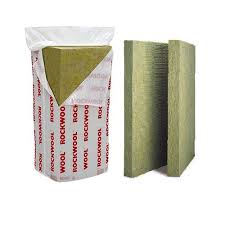
Energy efficiency has become one of the most important considerations in modern construction, especially in countries with hot climates and rising energy costs. In homes and offices, reducing dependence on cooling and heating systems not only lowers electricity bills but also supports environmental sustainability. One of the most effective ways to achieve this is through Rockwool rolls, a high-performance insulation material made from natural volcanic rock and recycled content.
Rockwool rolls are widely used in walls, ceilings, lofts, and partitions, providing superior thermal, acoustic, and fire-resistant benefits. But how exactly do they improve energy efficiency in residential and commercial spaces?
- Superior Thermal Insulation
Rockwool rolls are designed with a dense fibrous structure that traps air, reducing heat transfer between indoor and outdoor environments. In hot climates, such as Nigeria’s, Rockwool prevents excessive heat from penetrating buildings, keeping interiors cooler without over-reliance on air conditioning. Conversely, in colder seasons or regions, it retains indoor heat, reducing the need for constant heating.
By stabilizing indoor temperatures, Rockwool reduces the workload on HVAC systems. This leads to significant savings in energy consumption and operational costs for both homeowners and office managers.
- Reduction of Air Leakage
Energy losses in buildings are often caused by gaps, cracks, or poorly insulated areas that allow unwanted airflow. Rockwool rolls are flexible and easy to install, making them ideal for sealing spaces in walls, lofts, and ceilings. Once installed, they minimize air leakage, ensuring that conditioned air stays inside while hot or cold external air is kept out.
This airtightness improves the overall energy efficiency of a building, ensuring that energy produced by cooling or heating systems is used effectively without wastage.
- Moisture and Mold Resistance
In humid regions, moisture buildup within walls and ceilings can weaken insulation materials and reduce their efficiency. Rockwool is naturally water-repellent while still allowing vapor to pass through, preventing condensation issues.
This moisture resistance ensures that Rockwool maintains its insulating properties over time. Buildings insulated with Rockwool rolls do not suffer from reduced thermal efficiency caused by mold growth or material degradation, which helps sustain energy savings in the long run.
- Acoustic Comfort Enhances Productivity
Although soundproofing is not directly related to energy efficiency, it plays a role in overall building performance. In offices, reduced noise levels contribute to employee concentration and productivity, which indirectly lowers the need for artificial cooling or ventilation used to mask external noise. In homes, it creates a comfortable living environment that complements the thermal comfort provided by Rockwool insulation.
- Fire Resistance and Energy Security
Energy efficiency is not just about reducing costs but also about ensuring safety and sustainability. Rockwool rolls are non-combustible and can withstand temperatures of up to 1,000°C without melting or releasing toxic smoke. In case of electrical faults or fire hazards, this property prevents the spread of fire through insulated areas, safeguarding energy systems and protecting occupants.
For office buildings with multiple electronic devices and heavy energy use, this fire resistance provides peace of mind while ensuring compliance with safety standards.
- Long-Term Durability and Cost Savings
One of Rockwool’s strongest advantages is its long lifespan. Unlike fiberglass or foam-based insulation, Rockwool does not shrink, sag, or deteriorate quickly. Once installed, it provides consistent performance for decades without the need for frequent replacement.
This durability translates into continuous energy savings over the building’s lifetime. Homeowners and businesses benefit from reduced electricity bills year after year, making Rockwool a cost-effective investment.
- Contribution to Sustainable Buildings
Sustainability is an increasing priority for both residential and commercial construction. Rockwool rolls are made from abundant natural stone and often include recycled materials. They are also fully recyclable at the end of their lifecycle.
By reducing energy demand in buildings, Rockwool indirectly lowers greenhouse gas emissions from power generation. For businesses aiming to meet sustainability targets and homeowners concerned about environmental impact, Rockwool insulation contributes to greener living and working spaces.
Rockwool rolls are more than just insulation; they are a long-term solution for achieving energy efficiency in homes and offices. With their superior thermal resistance, airtight performance, moisture durability, and fire safety, Rockwool creates comfortable indoor environments while cutting energy costs.
For homeowners, this means lower utility bills and improved comfort year-round. For office buildings, it ensures productivity, safety, and compliance with energy standards. In both cases, Rockwool rolls prove to be a smart investment that combines cost savings, sustainability, and long-term performance.